
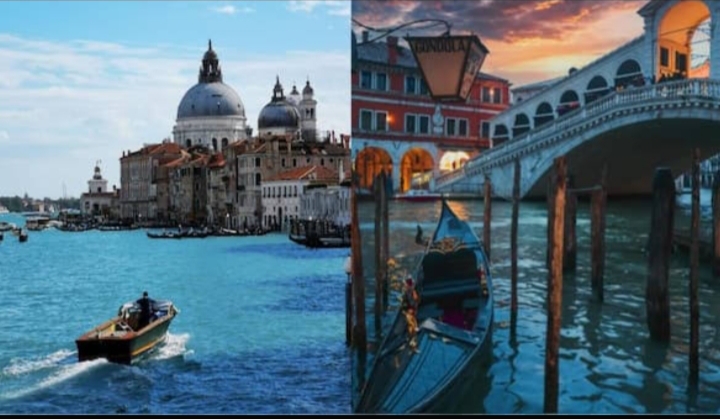
Venice has introduced a charge for day visitors in an attempt to control overcrowding, protect its historic environment, and raise money for city upkeep. The main goal is not just to earn revenue, but to manage the large number of tourists who visit the city in a single day.
Purpose of the Entry Fee
The system is designed to discourage short term visits and reduce pressure on the city’s infrastructure. Officials also hope it will encourage tourists to plan longer stays instead of quick day trips, which contribute heavily to congestion.
Early Results and Impact
Initial outcomes show a mixed picture:
- The scheme has generated several million euros in revenue
- Visitor numbers have not dropped significantly on peak days
- Thousands of day-trippers still enter the city daily despite the charge
- Many tourists continue to pay because the fee is relatively low
This suggests that while the policy is working financially, it is less effective in strongly reducing crowd levels.
Why the Policy Has Limited Effect
Low Cost of Entry
The fee is small compared to overall travel expenses, so it does not discourage most tourists.
High Global Demand
Venice remains a highly popular destination, meaning people are still willing to visit even with added costs.
Established Travel Habits
Many visitors already plan short day trips, so the fee does not significantly change their travel decisions.
Positive Outcomes
Even with limited impact on crowd reduction, the system has some benefits:
- Provides funds for maintenance and preservation
- Helps authorities track tourist numbers more accurately
- Slightly manages visitor flow during busy periods
- Encourages some advance planning for visits
What It Really Achieves
Rather than drastically reducing tourism, the fee mainly helps the city organize and control visitor activity more efficiently. It acts more as a management tool than a strict restriction.
Conclusion
The entry fee in Venice shows some success in generating revenue and organizing tourism, but it does not significantly reduce overcrowding on its own. It is useful as a control measure, but not strong enough to solve the problem of mass tourism completely.

