
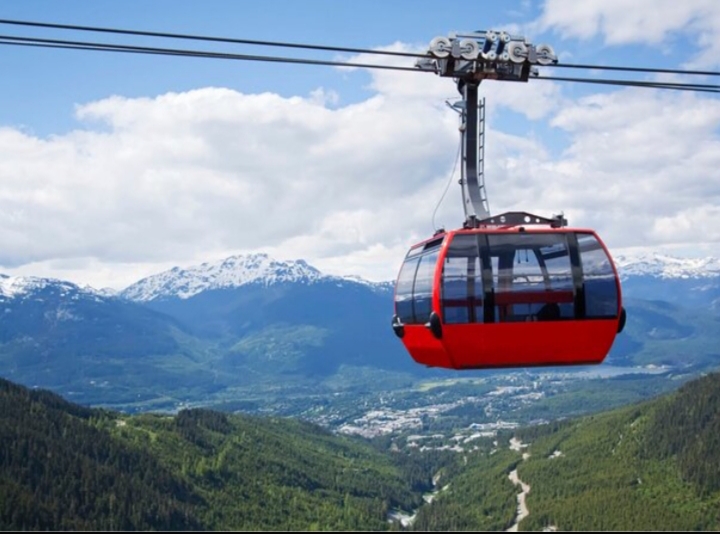
Morocco is developing a landmark transport and tourism project a cable car system across the Atlas Mountains. It is widely regarded as the first major mountain cable car initiative in North Africa, designed to improve access to high altitude regions while enhancing tourism experiences.
Transforming Access to the Atlas Mountains
The Atlas Mountains are famous for their scenic peaks, valleys, ski areas, and traditional mountain communities. However, reaching many of these locations is often difficult due to steep roads and long travel times.
The proposed cable car system aims to address these challenges by:
- Providing quicker access to mountain destinations
- Offering panoramic aerial views of the landscape
- Reducing dependence on narrow mountain roads
- Improving mobility for both tourists and local residents
Why the Project Is Important
This development stands out because it introduces large scale aerial transport to a region where it has not been widely used before. While cable cars exist in other parts of the world, North Africa has had very limited infrastructure of this kind, especially for tourism purposes.
Its significance includes:
- Strengthening Morocco’s tourism industry
- Making remote mountain areas more accessible
- Supporting local economies in rural communities
- Creating new employment opportunities in tourism and transport
Boosting Tourism and Local Development
The Atlas region already attracts hikers, climbers, and winter sports visitors, but accessibility has always been a limiting factor. A cable car system could broaden the visitor base by making the experience easier and more comfortable for a wider audience.
Expected benefits include:
- Increased tourist arrivals to mountain regions
- Growth in hotels, guesthouses, and local businesses
- Easier access to ski resorts and hiking trails
- Development of guided tours and sightseeing activities
Environmental and Engineering Advantages
Cable cars are often seen as a more environmentally friendly alternative to building new roads through sensitive mountain ecosystems. By moving people through the air instead of expanding road networks, the project may help reduce land disruption.
At the same time, planners must consider:
- Protection of natural habitats
- Weather and altitude-related safety challenges
- Visual impact on the mountain scenery
- Long-term maintenance in rugged conditions
A Modern Step for Mountain Transport in North Africa
This project reflects Morocco’s broader efforts to modernize infrastructure and strengthen its position as a leading tourism destination in Africa. By combining engineering innovation with sustainable tourism goals, the cable car could reshape how people experience the Atlas Mountains.
The Atlas Mountains cable car project represents a major shift in mountain tourism and transport in North Africa. If completed, it will improve access to remote areas, support local economies, and offer visitors a new way to experience one of Morocco’s most iconic landscapes.

