
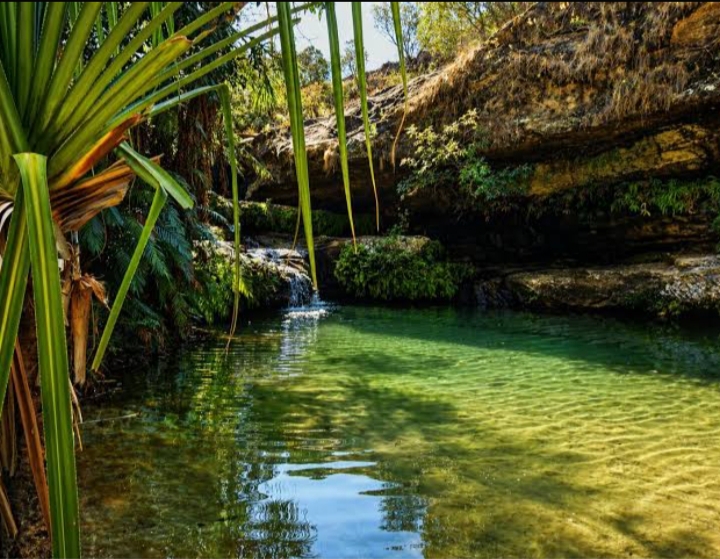
Madagascar has introduced a new national park as part of ongoing efforts to protect the island’s unique wildlife and fragile ecosystems. Renowned for its extraordinary biodiversity, Madagascar is home to countless species that cannot be found anywhere else in the world. The creation of this protected area marks another important move toward conserving endangered habitats while encouraging eco-tourism and scientific exploration.
The new park covers a diverse landscape that includes tropical forests, wetlands, rivers, and mountainous regions. Environmental experts say the area was granted protected status to help combat threats such as deforestation, illegal logging, mining activities, and the growing effects of climate change.
One of the park’s most significant features is its rich wildlife population. Madagascar is globally recognized for its lemurs, and the protected area is expected to serve as a safe habitat for several rare and endangered species. Visitors may also encounter unique reptiles, colorful chameleons, frogs, geckos, and a wide variety of bird species native to the island.
The park also plays an important role in plant conservation. Madagascar’s ecosystems contain thousands of indigenous plant species, many of which are found nowhere else on Earth. Researchers believe the protected area could help preserve rare medicinal plants and endangered tree species facing increasing environmental pressure.
Beyond its wildlife, the national park offers striking natural scenery. Thick rainforests, waterfalls, caves, rocky landscapes, and scenic hiking trails are expected to attract eco-tourists and adventure travelers seeking immersive experiences in nature. Guided tours will likely focus on wildlife viewing, conservation awareness, and environmental education.
Local communities near the park are also expected to benefit through tourism-related jobs, conservation programs, and sustainable economic opportunities. Many environmental initiatives in Madagascar now aim to combine habitat protection with community development to ensure long-term success.
Conservation organizations have welcomed the creation of the new park, emphasizing Madagascar’s importance as one of the world’s leading biodiversity hotspots. A large percentage of the island’s plants and animals are endemic, making conservation efforts especially critical.
However, environmental challenges remain serious. Habitat loss, agricultural expansion, and illegal wildlife trade continue to threaten many species across the island. Experts say lasting protection will require continued investment, stronger environmental policies, and active support from local communities.
The establishment of the new national park reflects Madagascar’s growing commitment to preserving its natural environment. For scientists, travelers, and conservationists, the park offers an opportunity to experience one of the world’s most remarkable ecosystems while supporting efforts to protect it for future generations.

