
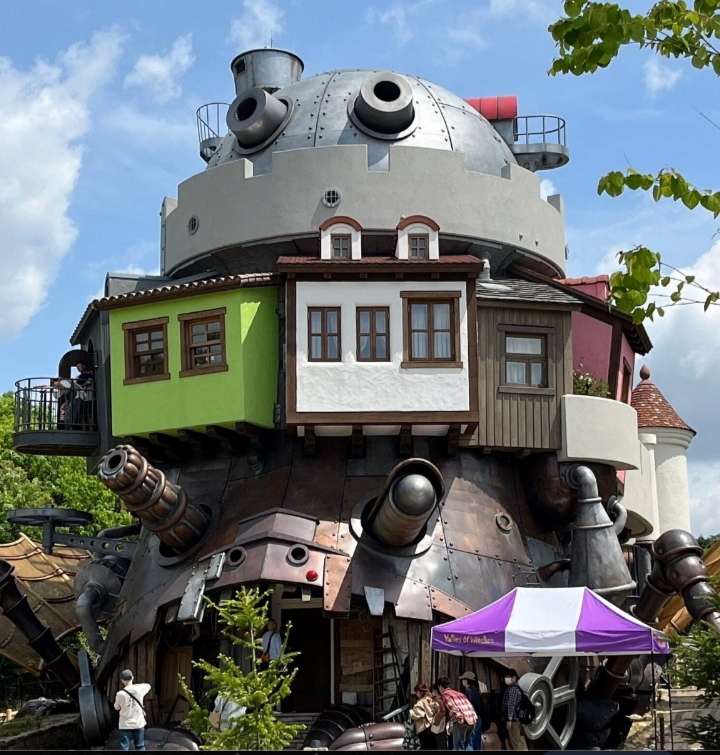
The worldwide popularity of Studio Ghibli has sparked interest in immersive attractions far beyond Japan. While Japan’s official park remains the gold standard, India is developing its own Ghibli-inspired destination, with major expansions planned for 2026. These new zones aim to transform the project into a broader cultural and tourism landmark.
Adapting a Japanese Concept for India
Japan’s original Ghibli Park, which opened in 2022, focuses on immersive exploration rather than thrill rides. Visitors wander through carefully recreated environments inspired by films from Hayao Miyazaki and his studio.
India’s version follows a similar philosophy but introduces local elements, combining Ghibli-style imagination with Indian cultural themes to appeal to a wider audience.
What the 2026 Expansion Includes
The 2026 development phase will significantly broaden the park’s offerings, adding new areas designed to deepen visitor engagement and encourage longer stays.
Key additions include:
- Nature-Driven Fantasy Areas
Landscapes influenced by films such as My Neighbor Totoro and Princess Mononoke, featuring forests, village settings, and tranquil environments. - Interactive Story Experiences
Spaces where guests can actively participate in narratives through installations and guided experiences. - Blended Cultural Zones
A mix of Ghibli-inspired visuals with Indian folklore, creating a unique fusion rather than a direct replica. - Dining and Retail Expansion
Themed cafés, local crafts, and merchandise areas to enhance the overall visitor experience and spending.
A Broader Tourism Vision
This expansion is part of India’s growing investment in destination-based tourism. The park is expected to:
- Attract families, young travelers, and anime enthusiasts
- Encourage multi-day visits rather than short trips
- Support local economies through increased tourism activity
- Position India within the global market for pop-culture destinations
Lessons from Japan
Japan’s Ghibli Park manages visitor numbers carefully to preserve its immersive quality, often requiring advance bookings. India is likely to adapt similar strategies, though on a larger scale to accommodate higher demand.
Challenges Ahead
There are still hurdles to overcome:
- Ensuring authenticity without official branding from Studio Ghibli
- Managing large crowds while maintaining a calm, immersive environment
- Addressing climate and infrastructure demands
- Incorporating sustainable practices that reflect the nature-focused themes of Ghibli stories
Conclusion
The 2026 expansion of India’s Ghibli-inspired park reflects a shift toward experience driven tourism rooted in global pop culture. By blending international inspiration with local identity, the project aims to create something distinctive rather than derivative.
If successful, it could emerge as a standout destination offering visitors not just a tribute to Ghibli’s worlds, but a fresh interpretation shaped by India’s own storytelling traditions.

