
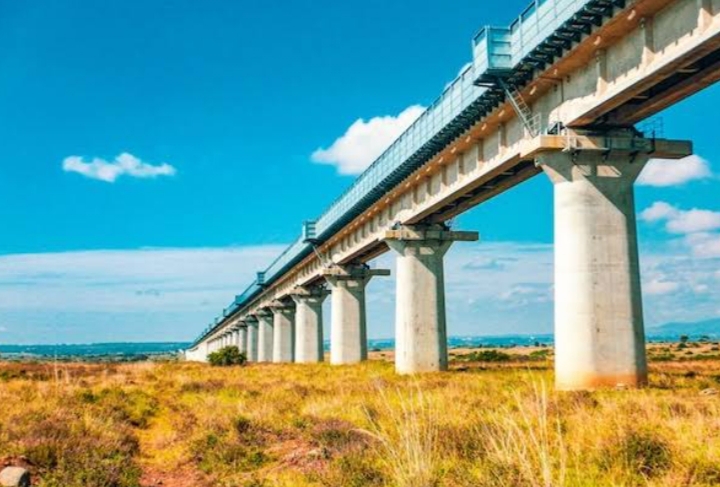
Kenya is transforming the safari travel experience through its modern Standard Gauge Railway (SGR), a major infrastructure project that is changing how tourists explore the country’s world-famous wildlife destinations. The railway, operated by the Madaraka Express, connects Nairobi and Mombasa while offering passengers a scenic journey through some of Kenya’s most remarkable natural landscapes.
More than just a transportation system, the SGR has become a unique safari attraction in itself, combining comfort, speed, affordability, and close views of wildlife along the route.
The railway covers about 472 kilometers between Nairobi and Mombasa, reducing travel time significantly compared to road transport. Instead of spending long hours on highways, travelers can now complete the journey in roughly five hours while enjoying modern train facilities and panoramic views of Kenya’s countryside.
One of the most exciting parts of the trip is the section that passes through the Tsavo ecosystem, one of Africa’s largest wildlife conservation regions. Passengers frequently spot elephants, giraffes, zebras, antelopes, and other animals from the train windows, turning the journey into a moving safari experience.
Easier Access to National Parks
The SGR has greatly improved access to some of Kenya’s major national parks, especially Tsavo East National Park and Tsavo West National Park. Railway stations such as Voi and Mtito Andei now act as important entry points for tourists heading to safari lodges and wildlife reserves.
In the past, visitors often had to travel for many hours by road to reach these destinations. The railway has simplified travel by allowing tourists to combine train journeys with shorter road transfers into the parks.
This improved accessibility has benefited local tourism businesses, including hotels, lodges, restaurants, tour operators, and transport services. Communities located near railway stations have also experienced increased economic activity due to growing visitor numbers.
A Different Kind of Safari Experience
Kenya’s rail safari concept is attracting both international tourists and local travelers looking for a more comfortable and relaxing way to explore the country. Unlike traditional road safaris, train travel offers a smoother journey while still providing opportunities to see wildlife and enjoy spectacular scenery.
The Madaraka Express has gained popularity for blending modern transportation with the charm of classic African rail travel. Premium cabins offer spacious seating, onboard services, and large viewing windows that allow passengers to enjoy uninterrupted views of the savannah.
Travelers particularly enjoy daytime trips through the Tsavo region, where wildlife sightings are common. For many passengers, the train ride becomes one of the highlights of their Kenyan adventure.
The railway also provides a more affordable alternative to domestic flights, making safari tourism accessible to a broader range of visitors.
Environmental Concerns and Conservation Efforts
Although the railway has boosted tourism and transportation, it has also raised environmental concerns because parts of the line pass through protected wildlife areas, including sections of Nairobi National Park and Tsavo.
Conservation groups initially worried that the railway could interfere with animal migration routes and damage ecosystems. To address these concerns, authorities introduced measures such as wildlife underpasses, elevated sections of track, and protective fencing designed to reduce disruptions to animals.
Supporters argue that these solutions help balance development with environmental protection while also reducing pressure on road transport systems.
Encouraging Domestic and Regional Tourism
The SGR has played an important role in encouraging domestic tourism within Kenya. Lower travel costs and improved convenience have made it easier for Kenyan families, students, and local travelers to visit national parks and coastal destinations.
The railway is also part of a wider regional infrastructure plan aimed at improving connections between East African countries. Future expansions could strengthen trade, tourism, and transportation links across the region.
As Kenya continues to modernize its infrastructure, the railway has become a symbol of progress and economic development.
Transforming Safari Tourism in Africa
Kenya’s railway safari route reflects a changing approach to tourism in Africa — one that focuses on accessibility, comfort, sustainability, and memorable travel experiences. Rather than serving only as transportation, the SGR has become an attraction that adds value to the safari journey itself.
With global demand for experiential travel continuing to grow, rail-based safari tourism could become increasingly important across the continent. Kenya’s success demonstrates how modern infrastructure can support tourism growth while creating new opportunities for local communities and businesses.
Conclusion
Kenya’s new railway safari route is reshaping travel to the country’s famous national parks. By connecting Nairobi and Mombasa with fast, scenic, and comfortable rail transport, the SGR has introduced a fresh way for visitors to experience Kenya’s wildlife and landscapes.
The combination of modern rail travel and safari adventure has made the Madaraka Express one of East Africa’s most innovative tourism developments. As the country continues to invest in tourism and infrastructure, the railway is expected to play an even greater role in the future of African travel.

