
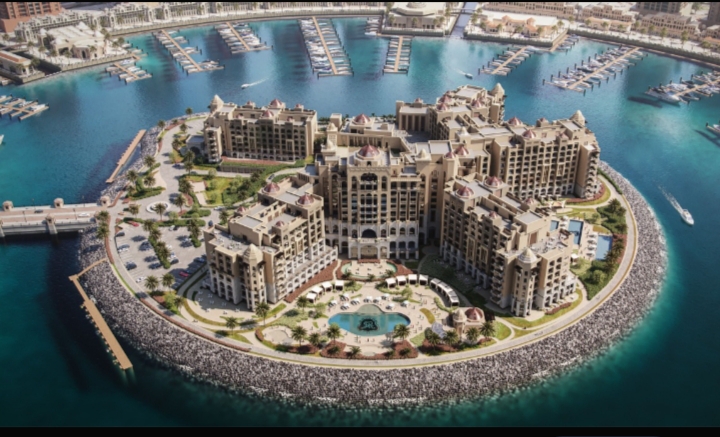
After successfully hosting the 2022 FIFA World Cup, Qatar found itself at a turning point. The global spotlight had delivered visibility and credibility, but sustaining that momentum required a clear long-term plan. One of the country’s most distinctive strategies involves leveraging its artificial islands as key drivers of post-World Cup tourism.
Turning a Global Event into Lasting Growth
The World Cup was part of a broader ambition under Qatar National Vision 2030, aimed at reducing dependence on oil and gas by developing sectors like tourism. Rather than viewing the tournament as a one-time success, Qatar positioned it as a launchpad for future economic activity. Artificial islands are now central to that vision, serving as high profile destinations designed to attract international visitors.
Why Artificial Islands Matter
Qatar’s coastline has been reshaped to create spaces that can be tailored to specific tourism experiences. These islands provide advantages that natural landscapes cannot always offer, particularly in terms of design flexibility and exclusivity.
They stand out for several reasons:
- Luxury and Privacy
High-end villas, private beaches, and marina facilities cater to travelers seeking premium experiences and seclusion. - All in One Destinations
These developments combine accommodation, entertainment, retail, and dining, allowing visitors to enjoy a complete lifestyle experience in one place. - Distinctive Design
With bold architectural concepts and themed environments, the islands help Qatar build a recognizable and competitive tourism identity.
Evolving Island Developments
Initially developed with a strong focus on real estate, many of these islands are now being repositioned as tourism hubs. Efforts include:
- Introducing more hotels and resort brands
- Organizing global events such as boat shows and cultural festivals
- Upgrading marina facilities to attract cruise ships and yacht tourism
- Incorporating cultural elements to blend modern luxury with local heritage
This shift reflects a broader move toward making these islands active destinations rather than purely residential spaces.
Target Audience
Qatar is focusing on a selective tourism market rather than mass travel. Its primary targets include:
- Wealthy international visitors from Europe and Asia
- Travelers from neighboring Gulf countries seeking short luxury breaks
- Business visitors who may extend their trips for leisure
Artificial islands are well-suited to meet the expectations of these groups, offering controlled, high-quality environments.
Addressing Environmental Concerns
Artificial island construction often raises environmental questions, particularly regarding marine ecosystems and energy use. Qatar has begun addressing these concerns by promoting:
- Sustainable building practices
- Use of renewable energy
- Protection of surrounding marine life
- Efficient water and energy systems
Ensuring environmental responsibility will be essential as global travelers increasingly prioritize sustainability.
Potential Challenges
Despite their promise, these developments face several obstacles:
- Heavy reliance on luxury tourism may limit broader accessibility
- Harsh summer climates could affect visitor numbers
- Strong competition from other Gulf destinations like Dubai and Abu Dhabi
- Economic uncertainties that could impact demand for high-end experiences
Maintaining flexibility and innovation will be key to overcoming these challenges.
Final Thoughts
Qatar’s artificial islands are more than ambitious construction projects they are a central part of the country’s long-term tourism strategy. By offering unique, high-end experiences, they aim to transform the temporary success of the World Cup into sustained global interest.
The real test will be Qatar’s ability to keep these destinations appealing, sustainable, and relevant in an increasingly competitive tourism landscape.

