
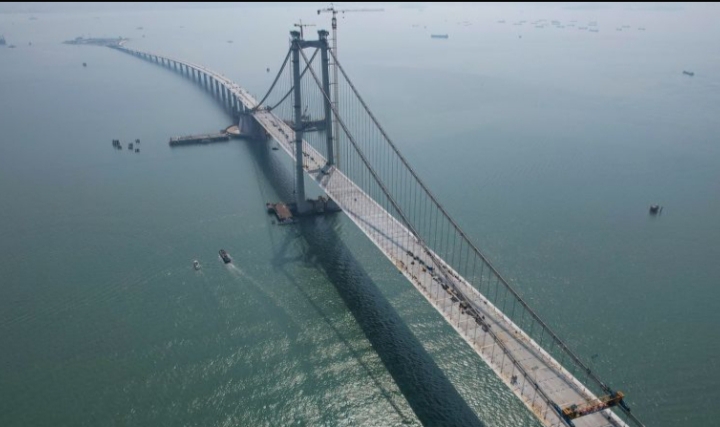
Bridges have traditionally served a simple purpose helping people get from one place to another. In China, however, they are taking on a new role. Today, many of the country’s massive bridges are being designed not just for transportation, but as destinations that attract visitors from around the world.
Across regions like Guizhou province, a fresh style of tourism is emerging. Instead of focusing on historical landmarks or natural wonders alone, travelers are drawn to enormous bridges that span deep valleys and dramatic landscapes. These structures are no longer just functional they’re part of the travel experience.
Engineering Marvels That Draw Crowds
China has built some of the tallest and most impressive bridges on Earth. What makes the latest projects stand out is their dual purpose. They are created to serve both practical needs and tourism.
One striking example is the Huajiang Grand Canyon Bridge. Towering hundreds of meters above the ground, it offers more than just a roadway. Visitors can explore viewing platforms, walk along glass paths, and enjoy amenities like cafés high above the canyon. Instead of simply crossing it, people come to spend time there.
The Growth of Height-Based Tourism
Guizhou has become a hotspot for this trend, with a remarkable number of the world’s tallest bridges located there. The region is increasingly known for its dramatic “bridge landscapes,” attracting travelers eager to experience breathtaking heights.
Bridges such as the Beipanjiang (Duge) Bridge, once valued mainly for their engineering, are now popular viewing spots. Standing far above river gorges, they provide unforgettable scenery and a sense of awe that appeals to adventure seekers and photographers alike.
This shift has given rise to what some describe as “vertical tourism,” where the focus is on elevation, scale, and the thrill of being suspended high above the ground.
Designed for More Than Transit
Modern bridge projects in China often include features specifically aimed at tourists. These can range from observation decks and glass-bottom walkways to adventure activities like bungee jumping.
Some sites go even further by adding entertainment options, dining areas, and interactive experiences. What was once a brief crossing can now become a full outing, blending sightseeing with recreation.
Boosting Local Economies
The popularity of these bridges is bringing significant benefits to nearby communities. Areas that were once remote are seeing increased visitor numbers, leading to new business opportunities such as hotels, restaurants, and guided tours.
As a result, these mega structures are helping to drive economic growth while also making lesser-known regions more accessible and appealing to tourists.
Questions and Concerns
Despite their appeal, not everyone is convinced. Some critics argue that certain projects emphasize visual impact over practicality, raising concerns about cost and environmental effects. Others question whether the excitement surrounding these bridges will endure over time.
There is also a broader debate about the role of infrastructure. When bridges become attractions, their purpose shifts from purely functional to partly recreational.
A New Vision of Travel
What China is doing with its mega bridges is reshaping how people think about tourist destinations. Instead of focusing solely on natural beauty or historical significance, these sites highlight modern engineering and innovation.
Standing high above a canyon, surrounded by sweeping views, visitors experience something that blends technology with nature in a unique way.
These bridges don’t just connect places they create moments worth traveling for.

