
For many Nigerians, religious tourism is often associated with pilgrimages to sacred destinations such as Mecca, Medina, Jerusalem, and Rome. While these journeys remain significant acts of devotion, they represent only one aspect of a much broader religious tourism landscape. Within Nigeria itself lies a wealth of spiritual, historical, and cultural attractions that offer meaningful travel experiences beyond international pilgrimage routes.
As the country explores new ways to strengthen its tourism industry, religious tourism presents a unique opportunity to celebrate heritage, promote cultural understanding, and stimulate economic growth.
Nigeria’s Diverse Religious Heritage
Nigeria’s religious diversity is reflected in its numerous places of worship, sacred sites, and faith-based traditions. Christianity, Islam, and indigenous belief systems have all shaped the nation’s cultural identity, leaving behind landmarks and practices that continue to attract visitors.
These sites are more than centers of worship; they are important symbols of history, community, and cultural continuity. For many travelers, they provide a deeper understanding of Nigeria’s social and spiritual development.
Preserving Historic Religious Sites
Across the country, historic churches, mosques, and sacred spaces serve as reminders of Nigeria’s rich past. Many of these structures are valued not only for their religious significance but also for their architectural beauty and historical importance.
Visitors often travel to these locations to learn about the evolution of religious traditions, admire distinctive building styles, and explore stories that have shaped local communities over generations.
Festivals That Blend Faith and Culture
Religious celebrations remain some of Nigeria’s most vibrant public events. Whether linked to Christian, Islamic, or indigenous traditions, these festivals bring together spirituality and culture in ways that attract both worshippers and visitors.
Music, dance, traditional attire, local cuisine, and communal gatherings often accompany these occasions, transforming them into experiences that showcase the cultural richness of different regions.
The Role of Indigenous Spiritual Sites
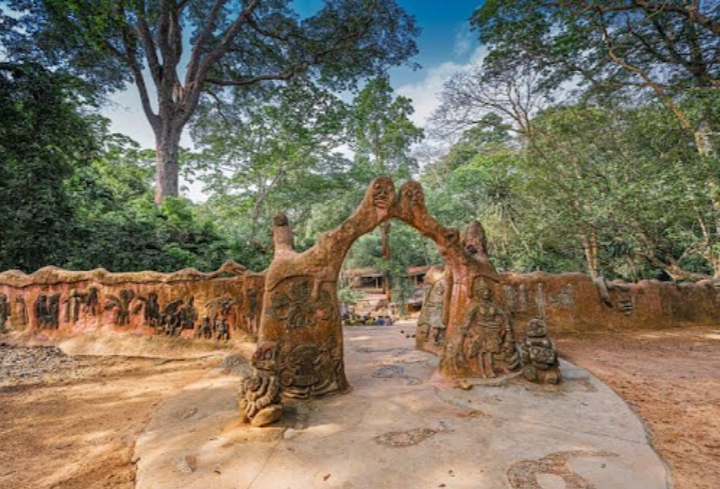
Nigeria’s religious tourism potential also includes destinations connected to indigenous belief systems. Sacred groves, shrines, rivers, and ceremonial grounds continue to hold spiritual and cultural significance for many communities.
These sites offer valuable insights into traditional worldviews and customs that have survived despite centuries of religious and social change. They also contribute to preserving aspects of Nigeria’s cultural heritage that might otherwise be overlooked.
Economic Contributions of Religious Tourism
The impact of religious tourism extends beyond spiritual enrichment. Visitors generate demand for accommodation, transportation, food services, local crafts, and other tourism-related businesses.
Communities that host religious events or maintain important sacred sites can benefit from increased economic activity, creating opportunities for employment and local enterprise development.
Encouraging Cultural Exchange and Tolerance
Religious tourism can also serve as a platform for fostering understanding among people of different faiths and backgrounds. By visiting religious landmarks and learning about various traditions, travelers gain greater appreciation for the beliefs and practices of others.
In a multicultural society like Nigeria, such interactions can strengthen social harmony and encourage mutual respect among diverse communities.
Unlocking Untapped Potential
Despite its promise, religious tourism in Nigeria remains underdeveloped. Many sites face challenges such as inadequate infrastructure, limited publicity, poor maintenance, and insufficient investment in visitor facilities.
Improving accessibility, preserving heritage sites, and promoting religious destinations through tourism campaigns could significantly increase their appeal to both domestic and international visitors.
Conclusion
Religious tourism in Nigeria extends far beyond overseas pilgrimages. The country’s diverse collection of sacred landmarks, historical places of worship, cultural festivals, and indigenous heritage sites offers a rich and largely untapped tourism resource.
By broadening the scope of religious tourism and investing in its development, Nigeria can create new opportunities for cultural preservation, economic growth, and national cohesion while showcasing the depth and diversity of its spiritual heritage.

