
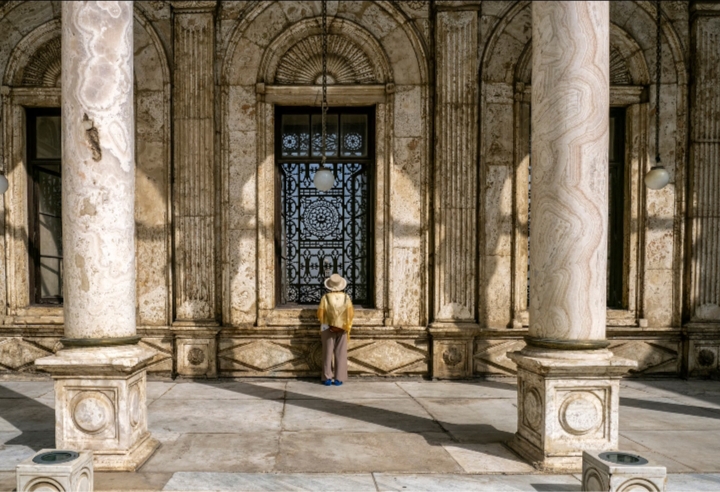
Ramadan is a sacred month observed by Muslims around the world. During this period, believers fast from sunrise to sunset, dedicating more time to prayer, self-discipline, and acts of kindness. For travelers visiting countries with significant Muslim populations, Ramadan offers a fascinating cultural experience. Understanding local customs can help ensure a respectful and enjoyable trip.
What Is Ramadan?
Ramadan is the ninth month of the Islamic lunar calendar and lasts approximately 29 or 30 days. Muslims begin their day with a pre-dawn meal known as suhoor and end their fast at sunset with iftar. Beyond fasting, the month emphasizes spiritual growth, charity, and stronger community connections.
For tourists, Ramadan presents a chance to witness unique traditions, attend special events, and experience a different side of local culture.
Expect Adjusted Operating Hours
Many businesses and public institutions modify their schedules during Ramadan. Government offices, banks, restaurants, and tourist attractions may open later, close earlier, or operate on shortened hours.
To avoid disruptions, visitors should verify opening times in advance and plan their activities accordingly. Transportation services may also experience changes, particularly around sunset.
Public Eating and Drinking
Rules regarding eating, drinking, and smoking during daylight hours differ from country to country. In some places, these activities may be restricted in public areas, while in others they are simply discouraged.
Tourists should familiarize themselves with local regulations before traveling. Even where no formal restrictions exist, being discreet when eating or drinking in public is generally considered respectful.
Observe Cultural Sensitivities
Since Ramadan is a period of heightened religious devotion, modest behavior and attire are especially appreciated. Visitors should dress appropriately, particularly when visiting religious sites or traditional communities.
It is also advisable to avoid overly loud or disruptive behavior, as many people are focused on worship and reflection during this time.
Join the Iftar Experience
One of the most memorable aspects of Ramadan is the evening meal that breaks the daily fast. As sunset approaches, communities gather to share food and celebrate together.
Many cities organize public iftar events, food festivals, and cultural programs. Travelers who participate often gain valuable insights into local traditions and hospitality while enjoying authentic cuisine.
A Shift Toward Evening Activities
Daily routines often change during Ramadan. Daytime may feel quieter than usual, while evenings become vibrant and energetic after the fast ends.
Markets, cafés, and shopping districts frequently remain open late, creating a lively atmosphere that visitors can explore and enjoy.
Visiting Religious Landmarks
Ramadan can be an excellent time to learn more about Islamic culture and visit mosques. Guests should follow local customs, including dressing modestly and respecting prayer schedules.
Some religious sites welcome non-Muslim visitors during designated hours, while others may limit access due to increased attendance during the holy month.
Make Travel Arrangements Early
As Ramadan progresses and the Eid celebrations approach, travel demand often rises. Flights, hotels, and public transportation may become busier than usual.
Booking accommodations and transportation in advance can help travelers avoid last-minute difficulties and secure better options.
Enjoy a Unique Cultural Journey
Traveling during Ramadan offers more than sightseeing—it provides an opportunity to experience a season centered on community, generosity, and faith. Visitors who approach the month with respect and curiosity are often rewarded with meaningful cultural encounters and unforgettable memories.
Final Thoughts
A trip during Ramadan may require extra planning, but it can also be deeply enriching. By understanding local practices, adapting to schedule changes, and respecting those who are observing the fast, travelers can enjoy a rewarding and culturally immersive experience.

