
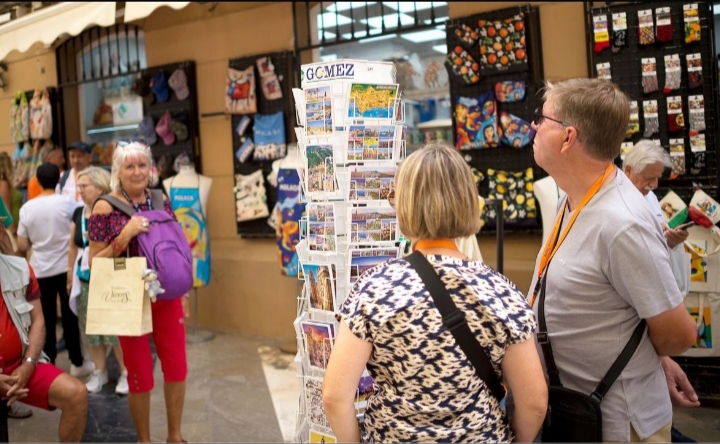
Souvenir shopping is about more than simply purchasing items during a trip. It is a psychological behavior that allows people to preserve memories, express their identity, and maintain a connection to meaningful experiences. The objects travelers choose often carry emotional significance that extends far beyond their monetary value.
One major reason people buy souvenirs is to serve as memory triggers. A souvenir can remind someone of a particular destination, event, or special moment, helping them recall the emotions and experiences associated with it. These items act as tangible reminders of places visited and adventures enjoyed.
Souvenirs also help transform temporary experiences into lasting ones. Since travel and special events are often short-lived, people purchase keepsakes to create a permanent link to those moments. Owning a physical object can make an experience feel more memorable and meaningful.
Another psychological aspect of souvenir shopping is self-expression. The souvenirs individuals select often reflect their interests, values, and personalities. For example, someone who appreciates art may purchase local artwork, while another person may collect cultural crafts or sports memorabilia to represent their passions.
Additionally, souvenir shopping can strengthen social relationships. Many travelers buy gifts for family members and friends as a way of sharing their experiences and showing appreciation. These gifts symbolize thoughtfulness and help maintain emotional connections with loved ones.
The desire for authenticity also influences souvenir purchases. Travelers are often drawn to items that represent the culture, traditions, and uniqueness of a destination. Locally made products and handcrafted goods are especially valued because they create a stronger sense of connection to the place visited.
Finally, souvenirs often gain sentimental value over time. Even inexpensive items can become treasured possessions because they represent important memories, achievements, or life experiences. As a result, the emotional worth of a souvenir may far exceed its actual cost.
In conclusion, the psychology of souvenir shopping reveals that people are not merely buying objects; they are preserving memories, expressing their identities, building relationships, and creating lasting emotional connections to meaningful experiences.

