
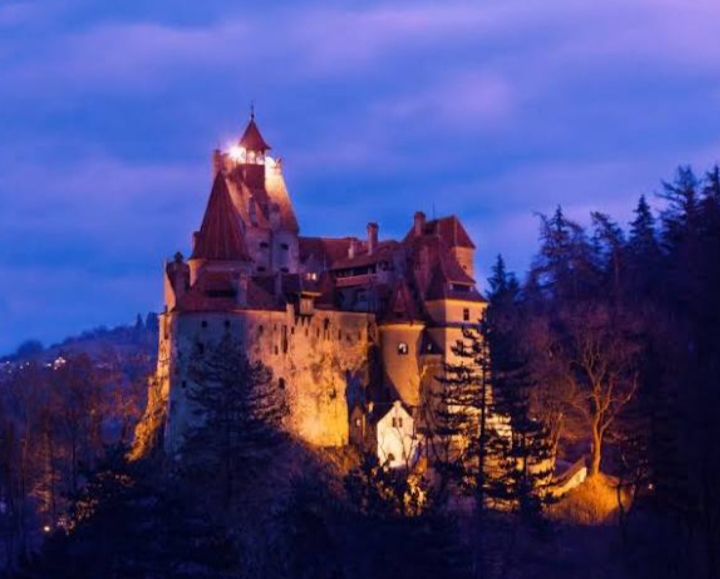
Transylvania, a well-known region in central Romania, is often linked to vampire legends and Dracula-themed attractions. However, while this fictional association has shaped global interest in the area, Transylvania has a much deeper identity rooted in history, culture, and natural beauty.
A Region Shaped by Diverse Heritage
Over the centuries, Transylvania has been influenced by Romanians, Hungarians, Saxons, and other ethnic communities. This blend has created a rich cultural landscape seen in its architecture, customs, and traditions.
Urban centers like Cluj-Napoca and Brașov combine medieval charm with modern life. Their historic streets, cultural events, and preserved buildings reflect the region’s long and varied past.
Natural Beauty Beyond the Myths
Beyond its famous castles, Transylvania is surrounded by the scenic Carpathian Mountains, offering opportunities for hiking, skiing, and nature exploration. The region is filled with forests, valleys, and traditional landscapes that provide a peaceful escape from urban life.
It is also home to diverse wildlife, including bears, wolves, and lynx, especially in protected natural areas.
Traditional Villages and Rural Life
The countryside of Transylvania is dotted with well-preserved villages where centuries-old traditions are still practiced. Places such as Viscri and Biertan are known for their fortified churches, simple architecture, and strong cultural heritage.
Local life often revolves around farming, crafts, and traditional customs passed down through generations.
Food and Cultural Identity
Transylvanian cuisine reflects its multicultural background, combining Romanian, Hungarian, and Saxon influences. Meals often feature hearty soups, meat dishes, and baked goods made with locally sourced ingredients.
Moving Past Dracula Tourism
Although attractions like Bran Castle are commonly linked to Dracula mythology, they represent only a small part of what the region offers. Today, visitors explore Transylvania for:
- Its historical and architectural heritage
- Outdoor adventures in the mountains
- Authentic rural experiences
- Cultural festivals and traditions
Transylvania is far more than its Dracula image. It is a culturally rich and naturally beautiful region with deep historical roots, diverse communities, and stunning landscapes. From medieval towns to mountain scenery and traditional villages, it offers a wide range of experiences beyond its famous folklore.

