
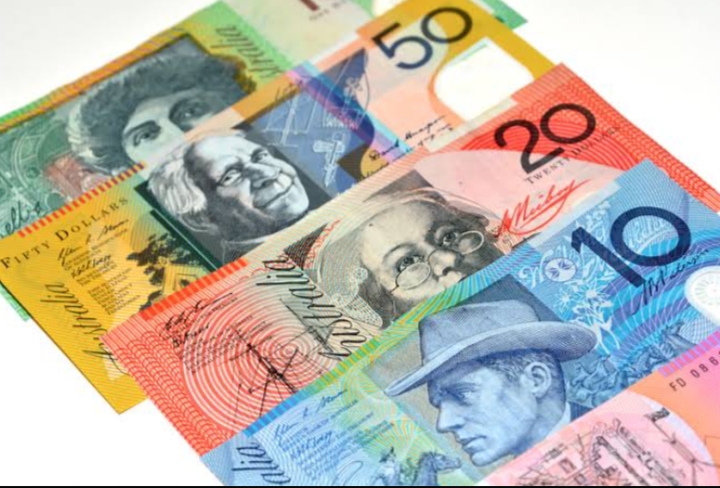
Handling money abroad might seem straightforward, but poor exchange rates and hidden fees can quietly drain your budget. A few smart choices can help you stretch your money further.
Here’s how to avoid unnecessary losses when exchanging currency overseas.
Avoid Airport Exchange Booths
Exchange counters at airports are convenient, but they usually offer unfavorable rates.
This happens because:
- They rely on travelers in a hurry
- Operating costs are high
- Rates include wide profit margins
If you must use one, exchange only a small amount for immediate expenses.
Withdraw Cash from ATMs
Using ATMs abroad often gives you better rates than exchange shops.
For best results:
- Use machines tied to reputable banks
- Choose secure, well-lit locations
Avoid random standalone ATMs, as they may come with higher fees or security risks.
Pay in the Local Currency
When using your card, you may be asked whether to pay in your home or local currency.
Always select the local option to avoid Dynamic Currency Conversion, where providers apply less favorable exchange rates.
Use Travel-Friendly Cards
Some debit or credit cards are better suited for international use.
Look for cards that:
- Have low or zero foreign transaction fees
- Offer competitive exchange rates
- Provide real-time spending notifications
Checking your card’s terms before traveling can help you avoid unexpected charges.
Limit Frequent Conversions
Each exchange can come with hidden costs.
To reduce losses:
- Withdraw larger sums less often
- Plan your spending ahead
- Avoid multiple small transactions
This helps minimize the total fees you pay.
Compare Exchange Rates
Rates can vary widely between providers, even within the same area.
Before exchanging:
- Check multiple options
- Don’t be misled by “no commission” offers
Often, the real cost is hidden in the exchange rate itself.
Use Multi-Currency Apps
Apps like Wise and Revolut allow you to:
- Hold and manage different currencies
- Convert money at competitive rates
- Pay directly without repeated conversions
They’re especially useful for frequent travelers.
Don’t Carry Excess Cash
Holding too much cash can be risky and inefficient.
Instead:
- Combine card payments with moderate cash
- Withdraw money as needed
- Keep backup funds separately
Exchanging too much upfront may lead to losses when converting back later.
Be Aware of Hidden Charges
Even when rates seem fair, extra costs can appear through:
- ATM withdrawal fees
- Bank conversion margins
- Card network charges
Understanding your bank’s fee structure before traveling helps avoid surprises.
Know the Real Exchange Rate
The mid-market rate is the true benchmark for currency value.
If the rate you’re offered is significantly different, you’re likely paying more than necessary.
Final Thought
Managing currency abroad is less about convenience and more about strategy.
By avoiding poor rates and unnecessary fees, you can keep more of your money for what really matters enjoying your trip.

