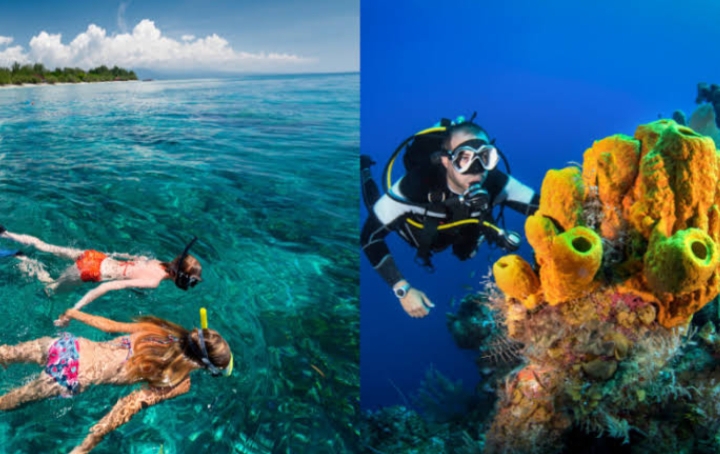
The Great Barrier Reef is one of the most iconic marine ecosystems on Earth, known for its massive scale and biodiversity. However, the idea of the “best snorkeling spot” depends less on size and more on factors like visibility, ease of access, water conditions, and how rich or untouched the marine life is.
Because of this, several destinations around the world are often preferred over the Great Barrier Reef for specific snorkeling experiences.
This guide also explains what actually makes a snorkeling location stand out so you can choose based on your travel priorities.
What Makes a Snorkeling Spot Truly “Better”?
Before comparing destinations, it helps to understand what matters most when snorkeling:
- Clear water with high visibility
- Healthy and colorful coral reefs
- Rich and diverse marine life
- Easy access from shore or short boat rides
- Calm conditions with minimal currents
- Low crowd levels and less environmental pressure
A location may outperform others in certain areas while being average in others.
Maldives: Crystal-Clear Lagoon Experience
The Maldives is famous for its calm lagoons and exceptionally clear water, making it a favorite for relaxed snorkeling.
Why it stands out:
- Very clear, warm water throughout the year
- Reefs often located near beaches or resorts
- Frequent sightings of turtles, rays, and reef sharks
- Gentle conditions suitable for beginners
Instead of vast reef systems, the appeal here is clarity and ease.
Raja Ampat: Extreme Marine Biodiversity
The Raja Ampat is widely regarded as one of the most biologically rich marine environments on the planet.
Key highlights:
- Extraordinary coral and fish diversity
- Pristine and lightly visited reefs
- Shallow waters packed with marine life
- Strong conservation focus in many areas
It is often considered superior in biodiversity concentration.
The Bahamas: Clear and Accessible Waters
The The Bahamas offers some of the clearest and most beginner-friendly snorkeling conditions in the Atlantic.
What makes it popular:
- Crystal-clear shallow waters
- Easy beach and sandbar access
- Encounters with rays, turtles, and tropical fish
- Calm conditions for most of the year
It is especially good for casual and first-time snorkelers.
Hawaii: Reliable Reef Encounters
The Hawaii provides consistent snorkeling opportunities, particularly along sheltered coastal areas.
Why snorkelers love it:
- Lava rock reefs rich in marine life
- Frequent sea turtle sightings
- Many accessible shore-entry spots
- Stable water conditions in selected regions
It offers a dependable all-round snorkeling experience.
Bonaire: Shore-Based Snorkeling Paradise
The Bonaire is known for its easy “walk-in” reef access.
Key advantages:
- Reefs located very close to shore
- Protected marine park environment
- Calm and predictable sea conditions
- Minimal need for boat trips
It is ideal for flexible, independent snorkeling.
Red Sea: Exceptional Clarity and Coral Systems
The Red Sea is consistently ranked among the clearest snorkeling waters in the world.
Why it competes strongly:
- Extremely high underwater visibility
- Vibrant coral walls and reef structures
- Diverse marine life in shallow zones
- Affordable access compared to many tropical regions
It is often praised for both quality and value.
Final Comparison: Is Anything Truly Better?
There is no single destination that is universally better than the Great Barrier Reef. Instead, different places excel in different categories:
- Best overall scale and ecosystem: Great Barrier Reef
- Best clarity and relaxing conditions: Maldives, Bahamas
- Best biodiversity concentration: Raja Ampat
- Best convenience and shore access: Bonaire, Hawaii
- Best visibility for cost: Red Sea
Final Thoughts
The Great Barrier Reef remains one of the most important marine ecosystems in the world, but several destinations outperform it in specific areas like clarity, accessibility, or marine density.
The best choice ultimately depends on whether you value comfort, biodiversity, ease of access, or adventure.