
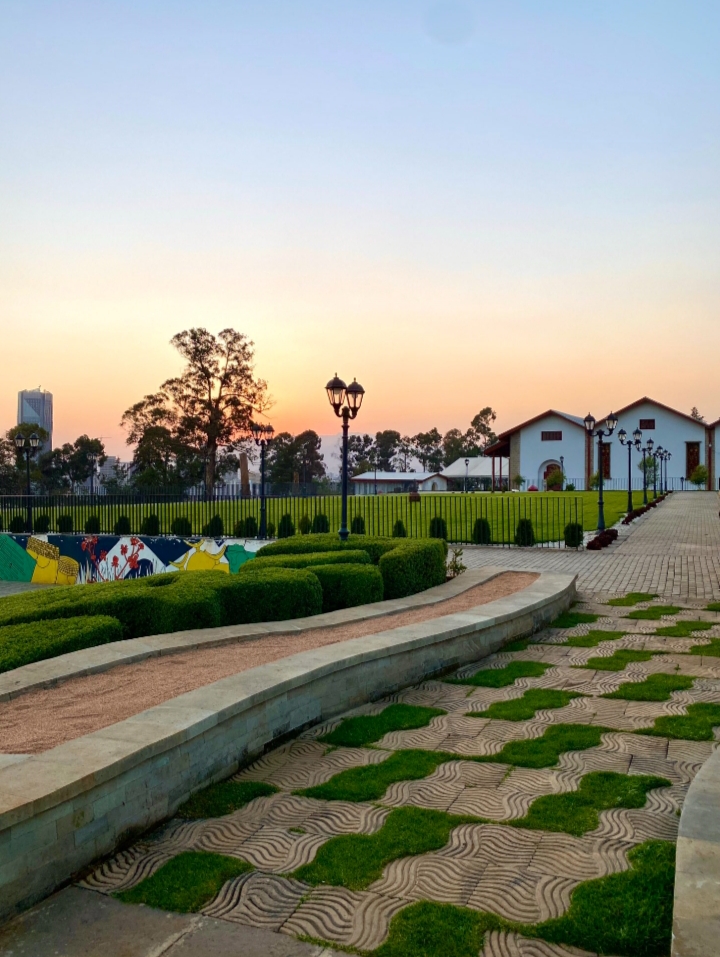
In the center of Addis Ababa, a former imperial residence has been reimagined as one of the nation’s most remarkable tourist attractions. Unity Park, opened in 2019, gives visitors access to a space that was once reserved for royalty, blending history, culture, and nature in a single destination.
From Royal Grounds to Public Space
Unity Park is situated within the historic National Palace, which once housed Ethiopian emperors, including Haile Selassie. For many years, the palace remained off-limits to the general public, serving as a symbol of political power and exclusivity.
Its conversion into a public park marked a turning point. Led by Abiy Ahmed, the initiative was part of a wider effort to encourage national unity, open up historic sites, and promote tourism while safeguarding the country’s heritage.
A Fusion of Heritage and Wildlife
Today, Unity Park offers more than historical insight it provides a lively environment where culture and nature meet. Visitors can tour restored palace structures, explore museums, and stroll through landscaped gardens that reflect Ethiopia’s diversity.
Among its key attractions is the Throne Hall, once used for royal ceremonies. The park also features exhibitions showcasing historical artifacts and stories that highlight Ethiopia’s past.
In addition, the park includes a small zoo with native species such as the lion and the colobus monkey, giving visitors a chance to learn about the country’s wildlife.
Preserving Architecture and Culture
The buildings within Unity Park combine traditional Ethiopian design with modern restoration techniques. These structures have been carefully preserved, allowing visitors to experience their historical significance while enjoying updated facilities.
Cultural elements such as local art, music, and cuisine further enrich the experience, offering a snapshot of Ethiopia’s diverse traditions in one place.
Encouraging Tourism and Unity
Since opening, Unity Park has become a major attraction in Addis Ababa, drawing both locals and international tourists. It contributes to Ethiopia’s efforts to grow its tourism industry and present its cultural heritage on a global stage.
Beyond tourism, the park carries symbolic importance. Opening a once-private imperial space to the public represents a move toward inclusiveness and a shared national identity.
Unity Park illustrates how historic sites can be adapted for modern use without losing their significance. By transforming a royal palace into a public destination, Ethiopia has created a space that celebrates its history while fostering unity and cultural appreciation.
For anyone visiting Addis Ababa, Unity Park offers a meaningful experience that goes beyond sightseeing, providing insight into the country’s past, present, and aspirations for the future.

