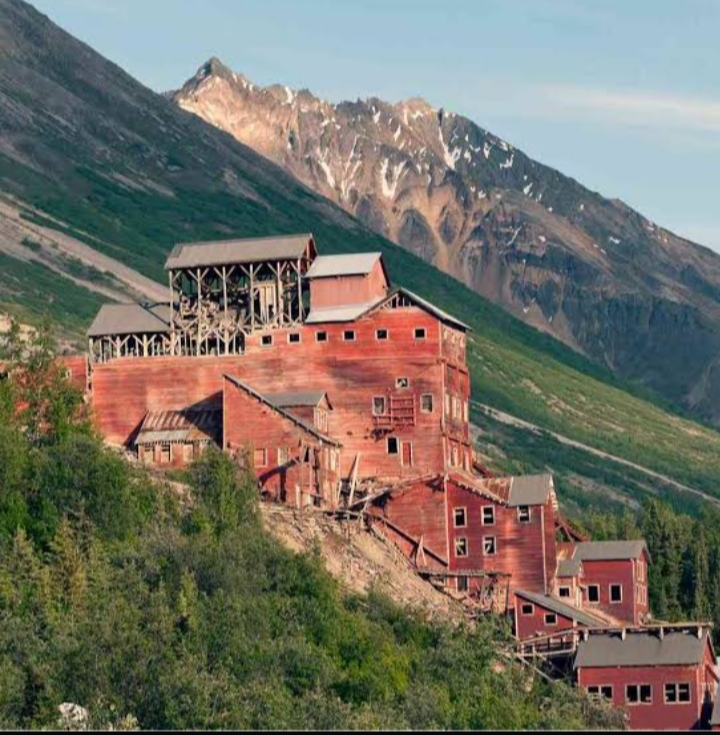
When people hear the term “ghost town,” they often imagine deserted streets, ageing buildings, empty homes, and communities that appear frozen in time. While the name may sound mysterious, ghost towns are real places that were once occupied by thriving populations but were later abandoned or significantly reduced.
For travellers who enjoy history, unusual destinations, photography, and old architecture, these locations can provide a fascinating glimpse into the past. Nigeria has several places with abandoned or neglected structures that can offer similar experiences.
However, it is important to understand that not every abandoned community is a tourist attraction. Some settlements became deserted because of conflict, insecurity, or displacement. Such locations should never be explored casually.
Zungeru, Niger State
Zungeru is one of Nigeria’s more interesting historic locations.
The town once had considerable administrative importance during the colonial period. It served as the capital of the Northern Protectorate before the administrative centre was moved to Kaduna.
Today, some of its older structures have deteriorated, offering reminders of the town’s former significance. For people interested in Nigerian history, these remains provide an opportunity to learn about an important chapter in the country’s development.
However, Zungeru is not a conventional tourist destination with fully developed visitor facilities. Anyone planning a trip should make appropriate arrangements and obtain current information about accessibility and safety.
Old Historic Sites in Calabar
Calabar is well known for its history and colonial heritage, and some of its older buildings provide an atmosphere reminiscent of another era.
The Old Residency, for example, is associated with colonial administration and remains an important historical landmark.
Some reports have highlighted the deterioration and neglect affecting historic structures in the area. For history enthusiasts, these sites offer an opportunity to explore Calabar’s past and appreciate its old architecture.
Visitors should nevertheless avoid entering unsafe or restricted structures simply because they appear abandoned.
Ikot Abasi, Akwa Ibom State
Ikot Abasi is another location worth considering for travellers interested in historic abandoned buildings.
The area has connections to Nigeria’s colonial history, including structures associated with Lord Lugard. It is also linked to important events surrounding the Women’s War of 1929.
The significance of the area goes beyond its old buildings. Visiting allows travellers to learn about major events that influenced Nigeria’s history.
Because some structures have deteriorated over time, visitors should approach the area as a heritage destination and avoid entering buildings that may be unstable or restricted.
Nwonyo, Taraba State
Nwonyo provides a slightly different example.
The area was once known for its fishing festival and a government-supported fishing village initiative. When the festival and related activities declined, some of the tourism facilities reportedly became underused or abandoned.
Nwonyo illustrates that a place can develop a “ghost town” atmosphere without the entire community disappearing.
Its story also demonstrates how tourism can decline when events, investment, infrastructure, and other supporting factors are not sustained.
Imeko, Ogun State
Imeko should not technically be classified as a completely abandoned town, but it has sometimes been described as a neglected historical location.
The community has a long history and remains relevant as a religious and pilgrimage centre. Its historical connections also give it significance beyond its present-day appearance.
For travellers, Imeko demonstrates that a place can appear forgotten or overlooked without actually being deserted.
Neglected Tourist Attractions Can Have a Ghost-Town Feel
You do not necessarily have to find an abandoned town to experience the atmosphere associated with one.
Some former tourism sites in Nigeria have deteriorating facilities, overgrown areas, or reduced visitor activity. These conditions can make them feel deserted even though the surrounding communities remain active.
Idanre Hill in Ondo State is one example of a major cultural and natural attraction where reports have raised concerns about deteriorating tourism infrastructure.
It is important, however, to distinguish between an abandoned tourist facility and an actual ghost town. A declining tourist site may still be open and surrounded by a functioning community.
What About Communities Abandoned Because of Insecurity?
This is an especially important issue for anyone interested in abandoned places.
Some Nigerian villages and settlements have become deserted because residents were forced to leave due to violence and insecurity.
These locations should not be regarded as tourist destinations.
A community abandoned because of armed conflict is very different from a historic town whose population declined over time. Such areas may still have serious security risks, and residents may have experienced displacement, loss, or trauma.
Travellers should never enter a conflict-affected abandoned community simply for the thrill of exploring an empty place. Current security information and guidance from authorities should always take priority.
Why Do People Find Ghost Towns Interesting?
There are several reasons abandoned and neglected places attract visitors.
They Preserve History
Old structures can reveal how people lived and worked in earlier generations.
They Showcase Old Architecture
Abandoned buildings may preserve construction techniques and architectural styles that are no longer common.
They Offer Unique Photography
Empty buildings, weathered walls, vegetation, and old streets can create unusual photographic subjects.
They Have Stories to Tell
Every abandoned place has a reason behind its decline. Economic changes, political decisions, migration, natural disasters, conflict, or changes in transportation can all contribute to the disappearance of a community.
They Offer Alternative Tourism
Exploring historic abandoned locations can provide a different experience from visiting conventional beaches, hotels, and recreational centres.
How to Explore Responsibly
Anyone interested in abandoned places should take precautions.
Research the location first. Find out whether it is accessible and whether visitors are allowed.
Consider using a local guide. A knowledgeable local person can provide historical context and help you avoid unsafe areas.
Stay away from unstable buildings. Old structures can have weakened roofs, floors, stairs, and walls.
Respect property boundaries. A building that appears abandoned may still belong to someone.
Avoid areas affected by conflict. Locations deserted because of violence should not be treated as adventure destinations.
Be respectful when taking photographs. Some abandoned locations are connected to difficult or painful events in the community’s history.
The Story Behind the Abandonment Matters
The most interesting aspect of a ghost town is not necessarily the empty buildings. It is the reason the buildings became empty.
An abandoned administrative centre can reveal how political decisions changed a region. A neglected colonial structure can tell the story of a previous era. A deserted tourism facility can demonstrate how quickly attractions can decline without investment and maintenance.
These places can therefore provide a different way of understanding Nigeria’s history.
Conclusion
Nigeria may not have many officially developed ghost-town attractions, but there are historic settlements, abandoned structures, and neglected tourism sites that can interest travellers who enjoy exploring lesser-known places.
Zungeru offers a connection to Nigeria’s colonial administrative history, while Calabar and Ikot Abasi contain structures associated with earlier periods. Nwonyo and Imeko provide examples of places whose historical or tourism significance has diminished without necessarily becoming completely deserted.
However, travellers must distinguish between historic abandoned locations and communities deserted because of insecurity. The first can offer an interesting heritage experience when visited responsibly; the second should be avoided.
Ultimately, exploring a ghost town is less about searching for something frightening and more about discovering the history, people, and events that shaped a place long after the crowds disappeared.