
Ethiopia is a country with a remarkable past, famous for its ancient civilizations, distinctive traditions, and valuable cultural heritage. As one of Africa’s oldest nations, Ethiopia has maintained a strong identity shaped by centuries of history, diverse ethnic communities, and long-standing customs. Its historic kingdoms, religious landmarks, traditional practices, unique cuisine, and languages offer a fascinating connection between the ancient world and modern society.
Ethiopia’s Historic Beginnings
Ethiopia possesses one of the world’s longest and most fascinating histories. Archaeological findings from the region have provided important evidence about early human existence, making Ethiopia a significant place in the study of human origins.
One of the most influential civilizations in Ethiopian history was the Kingdom of Aksum, which became a major power between the first and seventh centuries. Aksum developed into a successful trading empire with connections across Africa, the Middle East, and Asia. The kingdom was recognized for its impressive architecture, engineering achievements, and the famous stone obelisks that still stand as reminders of its greatness.
The remains of Aksum continue to represent Ethiopia’s historical importance and achievements in ancient civilization.
The Influence of Religion on Ethiopian Culture
Religion has greatly shaped Ethiopia’s history, traditions, and social life. The country was among the earliest societies to embrace Christianity, and the Ethiopian Orthodox Tewahedo Church has played a major role in influencing art, architecture, literature, and cultural practices.
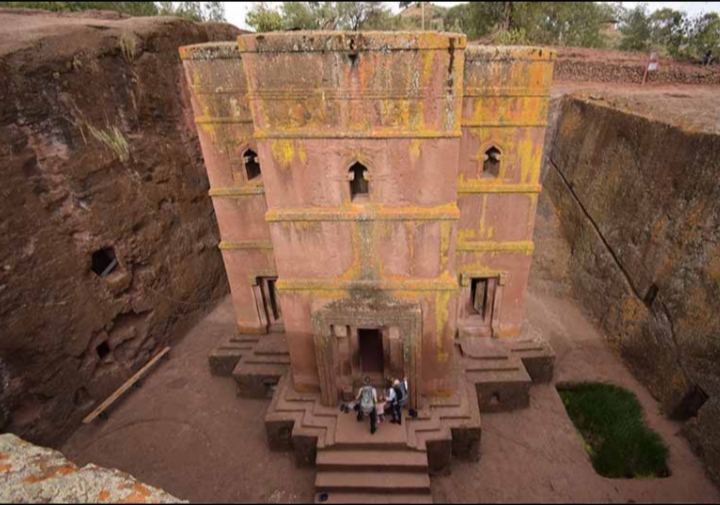
The churches of Lalibela are among Ethiopia’s most extraordinary historical treasures. These medieval churches were carved from solid rock and demonstrate remarkable craftsmanship and architectural skill. They remain important spiritual centres and attract visitors from around the world.
Islam has also been part of Ethiopia’s history for centuries, adding to the country’s religious and cultural diversity.
Ethiopia’s Diverse Cultural Identity
Ethiopia is home to numerous ethnic communities, each with unique languages, traditions, music, clothing styles, and celebrations. This cultural variety has contributed to the country’s rich and colourful identity.
Traditional ceremonies, dances, and festivals reflect the beliefs and lifestyles of different groups. Celebrations such as Timkat and Meskel highlight Ethiopia’s strong connection between culture and religion, bringing communities together through shared traditions.
Traditional Food and Coffee Culture
Ethiopian cuisine reflects the country’s history and emphasis on community. Meals are often enjoyed together, symbolizing friendship, family, and hospitality.
A well-known Ethiopian dish is injera, a fermented flatbread made from teff flour and commonly served with different sauces, vegetables, and stews. Ethiopia is also recognized as the origin of coffee, and traditional coffee ceremonies remain an important part of daily social life, where people gather to prepare and share coffee.
Famous Historical Sites and Natural Attractions
Ethiopia’s landscape is filled with important historical locations and natural wonders. Some notable attractions include:
The ancient ruins of Aksum and its historic monuments
The rock-carved churches of Lalibela
The royal castles of Gondar
The historic city of Harar with its unique cultural heritage
The Simien Mountains, known for their breathtaking scenery and rare wildlife
Together, these sites reveal Ethiopia’s rich combination of history, culture, and natural beauty.
Protecting Ethiopia’s Cultural Heritage
Preserving Ethiopia’s historical sites, traditions, and cultural knowledge is essential for future generations. Efforts by communities, cultural organizations, and conservation programmes help protect ancient landmarks and promote appreciation of Ethiopia’s contributions to global history.
Maintaining these treasures allows future generations to understand and celebrate the country’s unique heritage.
Conclusion
Ethiopia’s ancient history and cultural traditions tell a story of creativity, endurance, and diversity. From the achievements of ancient kingdoms to its religious monuments, traditional celebrations, and distinctive way of life, Ethiopia remains one of Africa’s most historically significant countries. Exploring its heritage provides valuable insight into a civilization that has continued to influence and inspire the world for centuries.

