
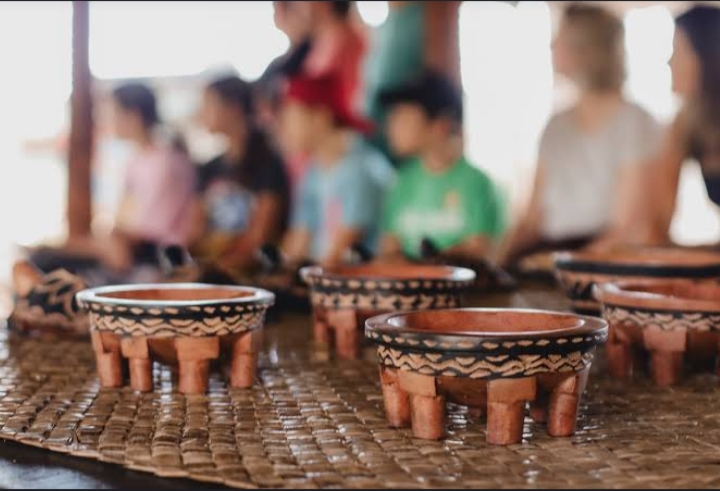
As modern life becomes increasingly automated, many travelers are looking for meaningful experiences that offer a deeper connection to culture and craftsmanship. Artisan villages around the world provide exactly that opportunity. These communities are not only known for producing beautiful handmade goods but also for welcoming visitors who wish to learn traditional skills firsthand. From molding clay and weaving textiles to carving intricate designs, these villages preserve generations of knowledge while sharing it with the world.
Discovering the Art of Pottery
Pottery remains one of the oldest and most enduring forms of artistic expression. In villages known for ceramic traditions, visitors can observe artisans transforming raw clay into functional and decorative pieces using techniques passed down through generations. Many workshops encourage participation, allowing guests to try their hand at the potter’s wheel and create their own unique items.
Beyond the practical skills involved, pottery teaches patience, concentration, and an appreciation for the artistry behind everyday objects. It also offers insight into the cultural traditions and historical influences that shape local communities.
Weaving Culture Into Every Thread
Weaving is a craft deeply connected to identity and heritage. Traditional fabrics often feature patterns, colors, and symbols that reflect a community’s history and values. In weaving villages, skilled artisans demonstrate how simple threads are transformed into intricate textiles using age-old methods.
Visitors can learn basic weaving techniques, explore natural dyeing processes, and gain an understanding of the time and effort required to produce handmade fabrics. The experience fosters a greater appreciation for craftsmanship and highlights the importance of preserving cultural traditions in a rapidly changing world.
The Creative Legacy of Carving
Carving is a craft that turns ordinary materials into remarkable works of art. Whether working with wood, stone, or other materials, artisans use their skills to create pieces that reflect local customs, beliefs, and artistic styles.
Through hands-on workshops, visitors can learn fundamental carving techniques while developing an understanding of design, precision, and craftsmanship. The process demonstrates how creativity, patience, and technical skill come together to produce lasting works of beauty.
More Than Learning a Craft
The appeal of artisan villages extends beyond the workshops themselves. Visitors often have opportunities to interact with local residents, learn about community traditions, and experience daily life from a unique perspective. These cultural exchanges enrich the learning experience and create meaningful connections between travelers and host communities.
At the same time, craft tourism supports local economies by generating income for artisans and encouraging younger generations to continue practicing traditional skills.
Keeping Traditions Alive
Many traditional crafts face growing challenges from industrial manufacturing and changing lifestyles. By opening their workshops to visitors, artisan communities create new opportunities to sustain their cultural heritage. Every lesson, demonstration, and handmade purchase contributes to the preservation of knowledge that might otherwise be lost.
These villages serve as living centers of culture, where ancient techniques remain relevant and accessible. They remind us that craftsmanship is not only about producing objects but also about preserving stories, values, and identities.
Conclusion
Villages dedicated to pottery, weaving, and carving offer an enriching blend of education, culture, and creativity. They allow visitors to move beyond observation and actively participate in traditions that have endured for centuries. Through hands-on learning and cultural exchange, these communities ensure that the art of craftsmanship continues to thrive, inspiring both present and future generations.

