
Animal tourism attracts millions of travelers each year, offering opportunities to interact closely with wildlife. Activities such as elephant rides, dolphin performances, tiger encounters, and camel treks are often promoted as memorable and exciting experiences. However, behind many of these attractions lies a troubling reality that is often hidden from public view. Many animals used in tourism suffer from poor treatment, exploitation, and conditions that negatively affect their physical and mental well-being.
The Reality Behind Elephant Rides
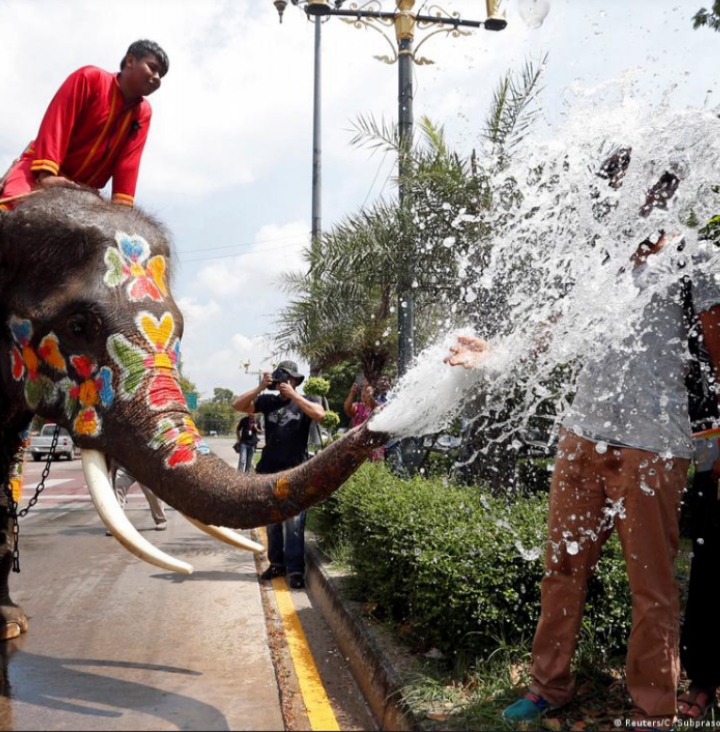
Elephant rides are a common tourist activity in several countries across Asia. While riding an elephant may seem like a unique cultural experience, the process that prepares these animals for human interaction is often harsh. Since elephants are wild animals by nature, they must be trained to obey humans, and this training can involve physical punishment, confinement, and other stressful methods aimed at making them submissive.
Once employed in tourism, elephants may spend long hours carrying visitors, often without sufficient rest. This workload can lead to health problems, including injuries to their backs, legs, and joints. In addition to physical strain, many captive elephants experience emotional stress, which may be reflected in repetitive behaviors and signs of anxiety.
Marine Mammals in Captivity
Dolphin and whale shows continue to attract large audiences worldwide. These performances are frequently presented as educational and family-friendly entertainment. However, concerns have been raised about the welfare of marine mammals kept in captivity.
In the wild, dolphins and whales travel long distances and live within complex social structures. Captive environments limit these natural behaviors, forcing animals to spend their lives in restricted spaces. Experts argue that such conditions can contribute to stress, health issues, and abnormal behavior patterns. As a result, many animal welfare advocates question the ethics of using these intelligent creatures for entertainment purposes.
The Growing Demand for Wildlife Selfies
The popularity of social media has increased demand for photographs with wild animals. Tourists often seek pictures with tigers, monkeys, sloths, and other exotic species. Unfortunately, many of these animals are kept in conditions designed to make them accessible to visitors rather than to support their welfare.
Some animals are restrained, isolated, or otherwise controlled to ensure they remain calm around people. Young animals are especially popular because they appear more approachable. However, once they mature, they may no longer be useful for tourist interactions and can face uncertain futures.
Welfare Concerns for Working Animals
Not all animal tourism involves exotic wildlife. Horses, donkeys, camels, and other animals commonly used for transportation or recreational activities may also experience welfare challenges. Excessive workloads, inadequate nutrition, insufficient medical care, and exposure to extreme weather conditions can affect their quality of life.
In destinations where regulations are limited or poorly enforced, these problems may become even more severe.
Conservation Claims and Ethical Questions
Many wildlife attractions advertise themselves as supporters of conservation. While some organizations genuinely contribute to protecting endangered species and rescuing injured animals, others use conservation-related messaging primarily to attract customers.
Authentic sanctuaries focus on animal welfare and rehabilitation rather than entertainment. They generally avoid activities such as rides, performances, or direct handling by visitors. For this reason, travelers should carefully research attractions before visiting to ensure their money supports ethical practices.
Choosing Responsible Wildlife Experiences
There are many ways to enjoy wildlife without contributing to animal suffering. Responsible safaris, guided wildlife tours, birdwatching excursions, and ethical whale-watching trips allow people to appreciate animals in their natural environments. Supporting reputable sanctuaries and conservation programs can also help protect wildlife while promoting sustainable tourism.
By making informed choices, tourists can encourage businesses to adopt higher welfare standards and more responsible practices.
Conclusion
Although animal tourism can create unforgettable memories, many attractions rely on practices that compromise animal welfare. Elephant rides, marine animal shows, and wildlife selfie experiences often involve hidden suffering that visitors may not see. As awareness of these issues grows, travelers have an opportunity to support more ethical forms of tourism. Choosing experiences that respect animals and their natural behaviors can help promote a more compassionate and sustainable future for wildlife around the world.

