
Ski tourism has long been a popular form of winter recreation, attracting millions of visitors to mountain destinations each year. Snow-covered slopes, winter sports, and scenic landscapes have made ski resorts important economic hubs for many regions. However, climate change is increasingly threatening the industry’s future. Rising temperatures and changing weather patterns are reducing snowfall and altering winter conditions, making it more difficult for ski destinations to operate successfully.
Less Snow and Unpredictable Winters
One of the most significant effects of climate change on ski tourism is the decline in natural snowfall. As temperatures rise, many areas receive less snow than in the past, and winter seasons become shorter. In some cases, snow arrives later in the year and melts earlier in the spring, reducing the time available for skiing and other winter activities.
These unpredictable conditions can discourage tourists from planning ski vacations, especially when there is uncertainty about the quality of the snow.
Reliance on Artificial Snow
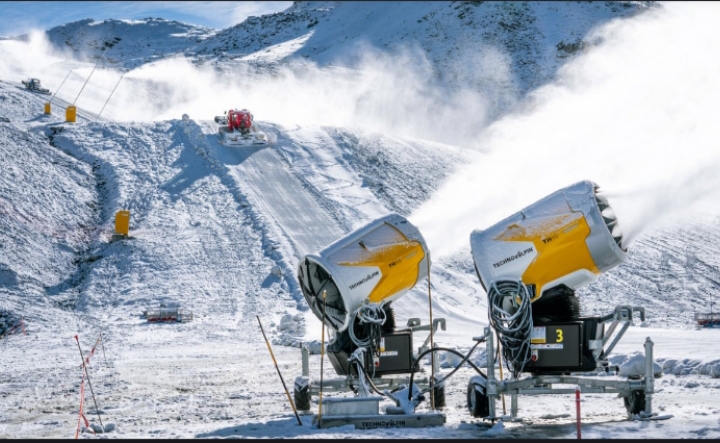
To address the shortage of natural snow, many ski resorts use snowmaking machines to keep slopes operational. Although artificial snow can help extend the ski season, it requires substantial amounts of water and energy. This increases operating costs and may create additional environmental concerns.
For smaller resorts with limited financial resources, investing in snowmaking technology can be difficult, putting them at a competitive disadvantage.
Economic Effects on Local Communities
The ski industry plays a vital role in supporting businesses such as hotels, restaurants, ski equipment rentals, and transportation services. When snowfall is poor, fewer tourists visit these destinations, leading to lower revenues for local businesses.
As a result, communities that depend heavily on winter tourism may face economic hardship, including reduced employment opportunities and declining income.
Challenges for Lower-Elevation Resorts
Ski resorts located at lower altitudes are particularly vulnerable to climate change. Warmer temperatures in these areas often result in inadequate snow cover, making it difficult to maintain ski operations throughout the season.
Consequently, some low-altitude resorts have been forced to shorten their operating periods or shut down permanently. If global temperatures continue to increase, more resorts may face similar challenges in the future.
Additional Environmental Impacts
Climate change affects mountain tourism in several ways beyond the loss of snow. Increased rainfall, stronger storms, and more frequent extreme weather events can damage resort facilities and disrupt travel plans. These conditions may also create safety hazards for visitors and employees.
Furthermore, changes in mountain ecosystems can affect the natural landscapes that attract tourists to these destinations.
Efforts to Adapt
To cope with changing conditions, many ski resorts are expanding their activities beyond winter sports. Popular alternatives include hiking, mountain biking, nature tours, and outdoor adventure programs that attract visitors throughout the year.
Some resorts are also adopting environmentally responsible practices, such as using renewable energy sources and improving resource efficiency, to reduce their environmental footprint.
Conclusion
Climate change is creating serious challenges for ski tourism by reducing snowfall, shortening winter seasons, and increasing operating costs. These impacts not only affect ski resorts but also the communities and businesses that rely on tourism for their livelihoods. While adaptation strategies can help address some of these issues, long-term protection of the ski industry will require meaningful action to combat global climate change and preserve winter environments for future generations.

