
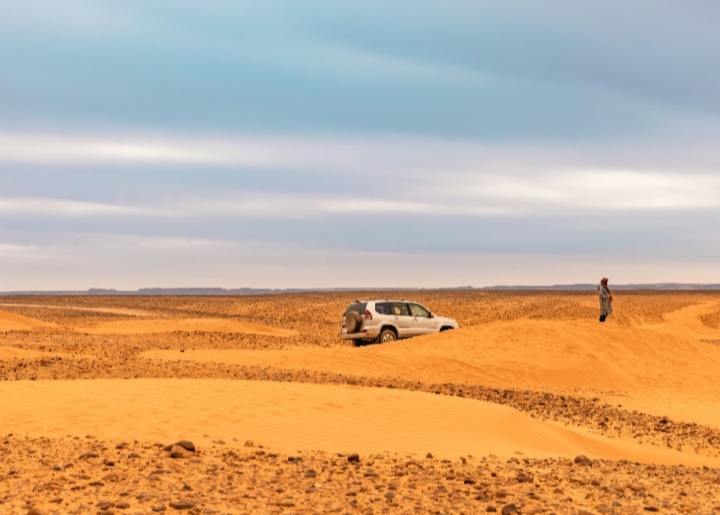
When desert travel in Africa is mentioned, places like Morocco and Egypt often dominate the conversation. However, beyond these well-known destinations, Northern Nigeria offers a quieter and more authentic desert experience. Located along the Sahel the transitional belt between lush savannah and the vast Sahara this region features striking sandscapes, open horizons, and communities deeply connected to the land.
A Unique Natural Setting
Northern Nigeria lies at the edge of the Sahara’s reach, where dry grasslands gradually give way to sandy terrain. Areas within Yobe State, Borno State, and Sokoto State showcase this blend of environments. While the dunes here may not be as massive as those found deeper in the Sahara, they still create a captivating landscape shaped by constant winds.
Around Nguru, for instance, visitors can observe sand dunes existing alongside seasonal wetlands, offering an unusual mix of dry and water-based ecosystems. In the east, the Lake Chad region presents wide, open terrain marked by the retreat of water over time.
Rich Cultural Experiences
Exploring this region goes beyond admiring its scenery it also involves engaging with its people. Northern Nigeria is home to groups such as the Kanuri and Fulani, whose lifestyles reflect generations of adaptation to a demanding climate. Cities like Kano and Sokoto provide historical context, having once served as key centers in trans-Saharan trade networks.
In more remote areas, travelers may witness pastoral life firsthand or encounter traditional craftsmanship that has endured for centuries. These experiences add depth and meaning to any visit.
Things to Do
Although tourism infrastructure is still developing, visitors can enjoy a variety of activities:
- Riding camels across the dunes for a traditional desert experience
- Trying sandboarding on gentle slopes
- Capturing scenic views and enjoying clear night skies filled with stars
- Visiting local communities and markets to learn about regional culture
Important Considerations
Travel in this part of Nigeria requires thoughtful preparation. Certain areas, especially within Borno State, may face security challenges, so it’s important to stay informed and work with experienced local guides.
Facilities in remote locations are often basic, so travelers should be ready for limited infrastructure. Still, those who venture here are rewarded with a raw and genuine desert experience.
When to Visit
The most suitable time to explore Northern Nigeria’s desert landscapes is during the dry season, from November to March. During these months, temperatures are milder, and the harmattan winds create clearer skies and more comfortable conditions.
A Destination Yet to Be Fully Discovered
Unlike the popular desert destinations of North Africa, Northern Nigeria remains largely untouched by mass tourism. This makes it an appealing option for travelers seeking something different—an opportunity to explore vast, quiet landscapes and connect with local cultures in a meaningful way.
As global travel becomes more crowded, Northern Nigeria’s dunes offer a refreshing alternative: a place where the desert remains natural, peaceful, and full of untold stories.

