
Introduction
Travel has always been an important way for people to discover new places, learn about different cultures, and gain memorable experiences. However, the development of virtual reality (VR) technology is creating new possibilities for exploring the world without physically visiting it. Through immersive digital environments, VR enables users to experience destinations remotely. Although it is unlikely to completely replace traditional travel, it may serve as an effective substitute for certain types of trips.
Growth of Virtual Travel Experiences
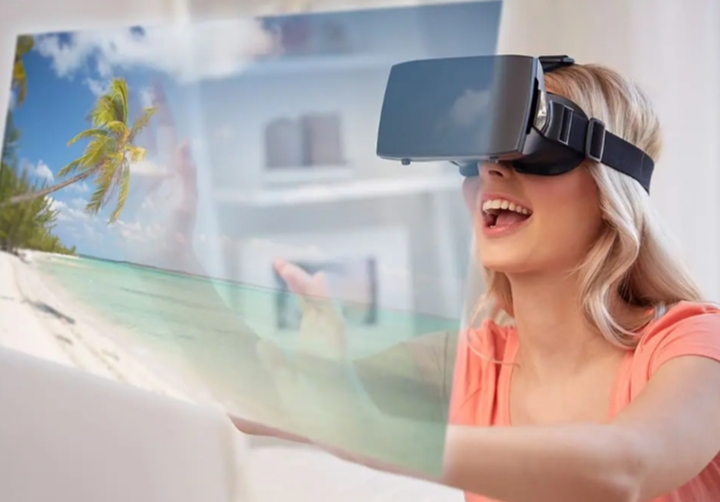
Virtual reality uses advanced technology to create realistic, interactive environments that users can explore through VR headsets. Today, many famous attractions, museums, cities, and natural landscapes can be experienced virtually. People can take digital tours of historical sites, explore distant countries, or visit cultural landmarks from the comfort of their homes.
As VR technology continues to improve and become more affordable, virtual tourism is attracting greater interest. Many tourism organizations and cultural institutions are now developing VR experiences to reach wider audiences.
Advantages of Using VR Instead of Travel
One of the key benefits of virtual reality is that it makes travel experiences available to people who may not be able to travel physically. Factors such as cost, health conditions, disabilities, or limited time often prevent individuals from visiting certain destinations. VR offers an alternative way to explore these places.
Another advantage is its potential to reduce environmental impact. Since transportation, especially air travel, contributes significantly to greenhouse gas emissions, replacing some trips with virtual experiences could help lower carbon footprints.
VR also provides convenience and safety. Users can explore destinations that may be difficult or risky to visit while avoiding travel-related expenses and challenges. Educational institutions can use virtual tours to enrich learning experiences without organizing costly excursions.
Situations Where VR Can Replace Travel
Virtual reality is particularly useful for activities that do not require physical presence. Museum visits, educational tours, historical explorations, and destination previews can all be conducted effectively through VR. Businesses can also reduce travel costs by holding virtual meetings and conferences.
In addition, industries such as real estate and education already use virtual tours to showcase properties and campuses, demonstrating how VR can successfully replace some travel-related activities.
Challenges and Limitations
Despite its benefits, virtual reality cannot fully replicate the experience of being physically present in a location. Real travel engages multiple senses, including taste, smell, and touch, which are difficult to reproduce digitally. The excitement of trying local foods, interacting with residents, and experiencing a destination’s atmosphere remains unique to in-person travel.
Travel also encourages personal development by exposing people to unfamiliar environments and cultures. These real-life experiences often lead to greater understanding and adaptability, something VR cannot entirely provide.
Additionally, VR technology still faces limitations such as equipment costs and potential discomfort for some users during prolonged use.
Looking Ahead
Rather than replacing traditional tourism altogether, VR is likely to work alongside it. Travelers may use virtual reality to explore destinations before making travel plans or to revisit places they have already experienced. Tourism businesses can also use VR as a marketing and engagement tool.
As technology advances, virtual experiences will become increasingly immersive and realistic. Nevertheless, the demand for authentic, real-world experiences is expected to remain strong.
Conclusion
Virtual reality offers an innovative way to experience the world and may replace certain forms of travel in areas such as education, business, and tourism. Its affordability, accessibility, and environmental benefits make it an attractive alternative in some situations. However, because it cannot fully recreate the sensory and cultural richness of physical travel, VR is more likely to complement rather than replace traditional travel in the future.

