
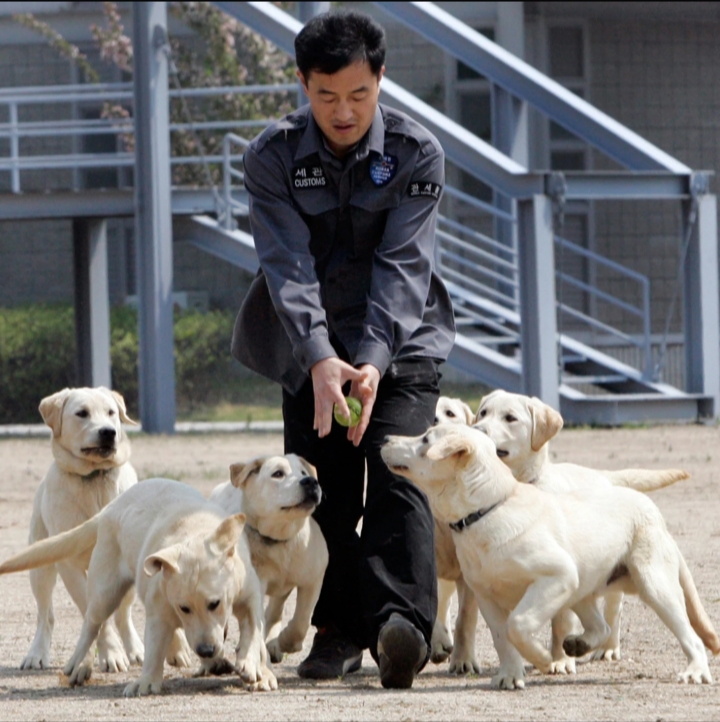
Clone tourism is an emerging and controversial form of biotech-related travel where individuals visit other countries to access advanced cloning services. One of the most well-known examples is pet cloning in South Korea, where specialized laboratories offer services that allow people to create genetic copies of their deceased pets, particularly dogs.
This growing practice has attracted global attention, raising ethical questions while also appealing to pet owners who are willing to spend large amounts of money to recreate a version of their lost companions.
Understanding Dog Cloning
Dog cloning is a scientific technique used to produce a genetically identical copy of a dog. Instead of natural reproduction, scientists extract cells from a donor animal and use its DNA to create a new embryo.
The cloned puppy shares almost the same genetic makeup as the original dog. However, its behavior and personality may differ because these are influenced by environment and upbringing, not just genetics.
South Korea’s Involvement in Pet Cloning
South Korea has become a leading country in animal cloning technology. Several biotech companies and research facilities have developed advanced expertise in this field, making the country a destination for pet cloning services.
One notable organization is Sooam Biotech, which gained international recognition for cloning dogs and other animals. Its services have reportedly attracted clients from different parts of the world, contributing to the idea of “clone tourism.”
The Cloning Process
The process of cloning a dog involves several scientific stages:
- Sample Collection – Tissue samples are taken from the original dog, usually before or shortly after death.
- DNA Storage – The genetic material is preserved for laboratory use.
- Cell Transfer – The DNA is placed into an egg cell that has had its nucleus removed.
- Embryo Growth – The embryo is developed under controlled lab conditions.
- Surrogate Pregnancy – The embryo is implanted into a surrogate dog that carries it to term.
- Birth of Clone – A puppy is born carrying the same genetic code as the original animal.
Reasons People Choose Clone Tourism
Several factors motivate people to travel abroad for pet cloning services:
Emotional Connection
Many pet owners have strong emotional bonds with their animals and wish to preserve a genetic link after their loss.
Interest in Biotechnology
Some individuals are drawn to the scientific innovation behind cloning and want to be part of advanced biological technology.
Limited Availability
Since pet cloning is not widely available in many countries, people travel to places where such services are legally and technically accessible.
Cost of Dog Cloning
Dog cloning is extremely costly, often ranging from tens of thousands to over $100,000. Because of this, it is mostly accessible to wealthy individuals or highly dedicated pet owners.
Ethical Concerns
The practice has sparked widespread debate due to several concerns:
Animal Welfare
Critics worry about the ethical treatment of animals involved in the cloning process, including surrogates used in reproduction.
Identity Questions
Although cloned pets share the same DNA, they may not behave the same way, raising questions about whether they can truly replace the original pet.
Emotional Expectations
Owners may feel disappointed if the cloned animal does not match the personality of the original pet.
Commercialization Issues
Some argue that cloning turns living beings into commercial products, raising moral concerns about profit-driven science.
Future of Clone Tourism
Clone tourism remains a small but growing niche within biotechnology. As scientific advancements continue, more countries may explore regulated cloning services. However, strict ethical guidelines are likely to shape how the industry develops.
South Korea will likely continue to play a major role in this field due to its advanced biotechnology sector, although global debate around the practice is expected to continue.
Clone tourism, especially dog cloning in South Korea, sits at the intersection of science, emotion, and ethics. While it offers pet owners a way to preserve the genetic legacy of their animals, it also raises complex questions about morality, identity, and the limits of modern biotechnology.
As the field evolves, it will likely remain both a scientific curiosity and a subject of global ethical debate.

