
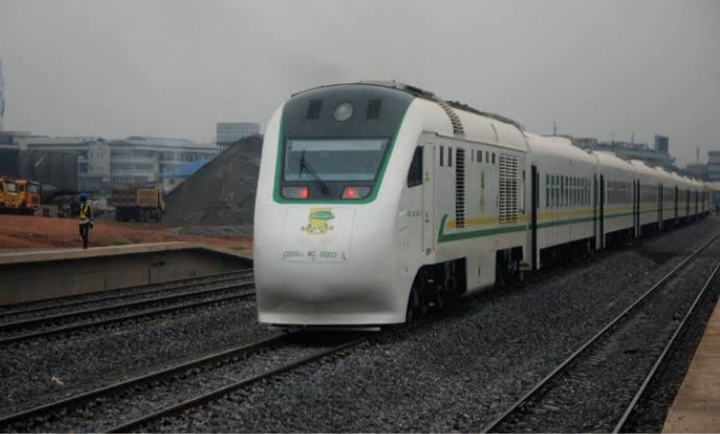
Rail transport in Nigeria has improved significantly, and two major routes stand out for travelers: the line between Lagos and Ibadan, and the one linking Abuja with Kaduna. Although both are modern rail services, the experience on each route differs in purpose, atmosphere, and overall feel.
Role and Demand
The Abuja–Kaduna railway quickly became an essential transport option, largely because many travelers consider it a safer alternative to the road. This high demand often means trains are busy and tickets can sell out fast.
By comparison, the Lagos–Ibadan route serves a broader mix of passengers. It’s used for commuting, business trips, and casual travel, giving it a more relaxed and less pressured environment.
Ticketing and Convenience
Booking a seat on the Abuja–Kaduna line usually requires planning ahead, especially during busy periods.
The Lagos–Ibadan service is generally easier to access, with tickets more readily available. Its stations are also conveniently positioned, making it accessible for a wider range of travelers.
Duration and Speed
Travel time on the Abuja–Kaduna route is about two hours, offering a quick and efficient connection between the two cities.
The Lagos–Ibadan journey typically takes a bit longer—around two to three hours—depending on stops and service type, making it slightly less time-focused.
Comfort and Atmosphere
While both routes offer modern, air-conditioned coaches with organized seating, the onboard experience varies.
On Abuja–Kaduna trains, the mood is more focused and business-like, with visible security measures and passengers keen on reaching their destination promptly.
On Lagos–Ibadan trains, the setting feels more relaxed and social, with passengers often engaging with each other or simply enjoying the ride.
Views and Travel Experience
For those who enjoy scenery, the Lagos–Ibadan route offers more variety, including green landscapes and semi-urban views.
The Abuja–Kaduna line features more open terrain and a quieter visual experience, reinforcing its role as a functional transport link rather than a scenic journey.
Safety Considerations
Security plays a bigger role on the Abuja–Kaduna route, influencing everything from passenger screening to the overall atmosphere onboard.
The Lagos–Ibadan route, in contrast, tends to feel more laid-back, with fewer security-related concerns shaping the journey.
Final Perspective
Each route serves a different purpose. Abuja–Kaduna is ideal for those prioritizing speed, safety, and efficiency, while Lagos-Ibadan suits travelers looking for a calmer and more flexible experience.
Together, they reflect the progress and diversity of Nigeria’s rail system, offering passengers options that match different travel needs and preferences.

