
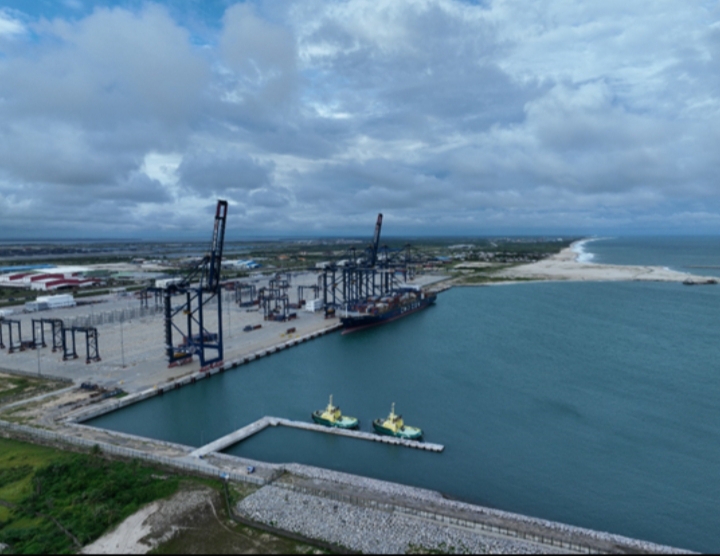
The Lekki Deep Sea Port is one of Nigeria’s most significant modern port developments. While it was primarily built for cargo operations, it also presents long-term possibilities for cruise ship tourism due to its deep water capacity and strategic coastal location in Lagos.
Importance of the Port
The port was developed to:
- Handle large container vessels that cannot access older Lagos ports
- Reduce congestion at Apapa and Tin Can Island ports
- Support Nigeria’s growing import and export demands
Its modern design and deep draft make it one of the most advanced seaports in West Africa.
Possibility of Cruise Tourism in Lagos
For a port to support cruise ships, it must have:
- Deep-water access
- Passenger handling facilities
- Immigration and customs services
- Reliable transport and tourism connections
Lekki Deep Sea Port already meets the deep-water requirement, which is a key foundation for cruise operations.
Opportunities for Cruise Development
Deep-Water Advantage
The port can accommodate large vessels, including cruise ships that require deeper berths than older facilities can provide.
Strategic Location
Lagos already serves as Nigeria’s economic and cultural hub, with:
- Hotels and hospitality infrastructure
- International airport connectivity
- Entertainment and tourism attractions
This makes it suitable for receiving international cruise passengers.
Access to Tourist Attractions
Visitors arriving through Lekki can easily reach:
- Lagos beaches and coastal resorts
- Cultural and leisure destinations
- Nature reserves and recreational sites
This enhances its appeal as a tourism entry point.
Regional Cruise Routes
With proper development, Lagos could become part of West African cruise circuits linking countries such as Ghana, Benin Republic, and others along the coastline.
Key Challenges
Despite its potential, several limitations exist:
Lack of Passenger Facilities
The port is currently focused on cargo operations and does not yet have a dedicated cruise terminal.
Weak Tourism Integration
Cruise operations require smooth systems for:
- Passenger processing
- Guided tours
- Transport coordination
These are still developing in Nigeria.
Operational and Security Concerns
Cruise lines expect:
- Efficient port management
- Strong security systems
- Fast and predictable clearance processes
Improvements are still needed in these areas.
Need for Investment and Coordination
Developing cruise tourism will require collaboration between government bodies, private investors, and tourism stakeholders.
Future Prospects
Although not currently a cruise hub, Lekki Deep Sea Port has strong potential to evolve into one if additional infrastructure is developed. With the right investments, it could become:
- A major cruise gateway in West Africa
- A stop for international cruise routes
- A driver of tourism growth in Lagos
Conclusion
The Lekki Deep Sea Port is designed mainly for cargo handling, but its depth and location give it strong future potential for cruise ship activities. With proper investment in passenger facilities and tourism systems, it could become an important cruise destination in West Africa.

