
Introduction
Kano is one of Nigeria’s oldest and most culturally significant cities. Situated in the northern region of the country, it is widely recognized for its historical landmarks, ancient traditions, and vibrant trading activities. A visit to Kano gives tourists the chance to experience centuries of history through its old city walls, traditional dye pits, royal institutions, and cultural festivals. The city remains an important center of Hausa heritage and Islamic civilization in West Africa.
The Historic City Walls
Among the major attractions in Kano are the ancient city walls, which were originally built to defend the city against invaders and attacks. Made primarily from mud and reinforced over the years, the walls once surrounded the city for many kilometers.
These walls symbolize Kano’s strength and importance during the pre-colonial period. Even though urbanization and environmental conditions have damaged parts of them, some sections still remain and continue to attract visitors interested in African history and architecture. Touring the walls helps people understand how ancient kingdoms protected themselves in earlier times.
The Traditional Dye Pits
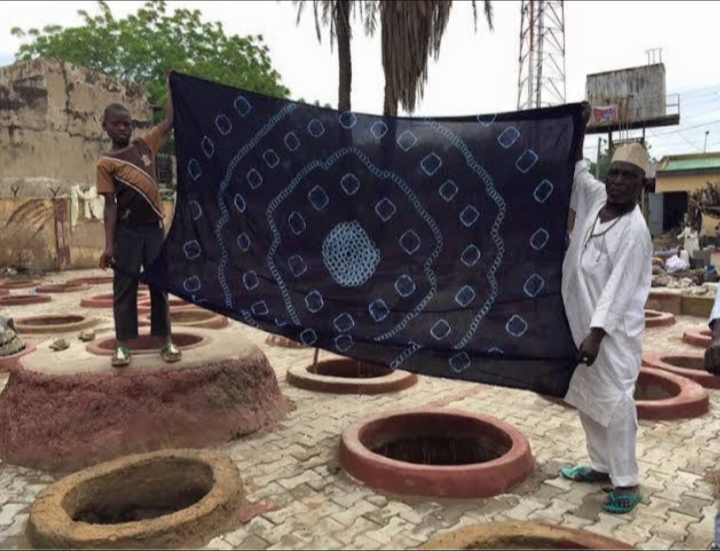
Kano is also famous for its centuries-old dye pits, which are regarded as some of the oldest in Africa. The pits are used for coloring fabrics with natural dyes such as indigo.
Local craftsmen, who inherited the skill from their ancestors, carry out the dyeing process using traditional techniques. Visitors to the dye pits can observe how plain materials are transformed into colorful fabrics. Besides preserving an ancient tradition, the dye pits also provide employment and income for many families in the community.
The fabrics produced in Kano are popular across Nigeria and are commonly used for cultural celebrations, weddings, and festivals.
Cultural Traditions in Kano
The culture of Kano is strongly influenced by Hausa traditions and Islamic values. The city hosts various cultural activities, including music, festivals, and traditional ceremonies that showcase the lifestyle of its people. Tourists often enjoy the hospitality of the residents while learning more about their customs and beliefs.
The Emir’s Palace is one of the city’s most important cultural landmarks. It represents the traditional leadership system in Kano and features impressive Hausa architectural designs that reflect the city’s heritage.
Markets such as Kurmi Market are also important tourist centers. These markets are filled with locally made goods such as leather products, textiles, jewelry, and crafts. They give visitors an opportunity to experience the commercial life and craftsmanship of Kano.
Economic Value of Tourism
Tourism plays a significant role in the development of Kano State. It creates jobs for artisans, traders, tour guides, hotel workers, and transport operators. The industry also supports the preservation of historical sites and traditional practices by encouraging awareness and conservation efforts.
Furthermore, tourism helps promote cultural understanding and highlights Kano’s importance as one of West Africa’s historic trading centers.
Problems Affecting Tourism in Kano
Although Kano has many attractions, the tourism sector still faces several difficulties. Poor infrastructure, insecurity, and inadequate maintenance of historical sites can reduce tourist interest. Urban growth and environmental damage also threaten important landmarks such as the city walls and dye pits.
To improve tourism, there is a need for better preservation programs, government support, and improved facilities for visitors.
Conclusion
Kano remains a city rich in history, culture, and tradition. Its ancient walls, traditional dye pits, royal institutions, and lively markets continue to attract tourists from different places. The city’s cultural heritage makes it one of Nigeria’s most important tourist destinations. With proper preservation and investment, Kano can continue to develop as a major center for cultural tourism in Africa.

