
Nigeria possesses one of Africa’s most extraordinary ancient civilizations
the Nok culture. Long before many renowned African kingdoms emerged, the Nok people had already established a sophisticated society known for remarkable terracotta sculptures, early iron technology, and a vibrant cultural heritage. Today, this ancient civilization represents a valuable but largely underutilized tourism asset for Nigeria.
A Glimpse into the Nok Civilization
The Nok civilization is believed to have existed between 1000 BCE and 300 CE, making it one of the earliest organized societies in sub-Saharan Africa. Archaeological evidence links the civilization to areas now known as Kaduna State, Plateau State, and Nasarawa State.
The civilization was first brought to public attention in 1928 in the town of Nok after miners accidentally uncovered ancient terracotta artifacts while searching for tin deposits. Since then, archaeologists have discovered numerous Nok sites across central Nigeria.
What sets the Nok people apart is the advanced nature of their society. They practiced agriculture, mastered iron smelting, and created artistic works that continue to fascinate researchers around the world.
The Artistic Legacy of Nok Terracotta
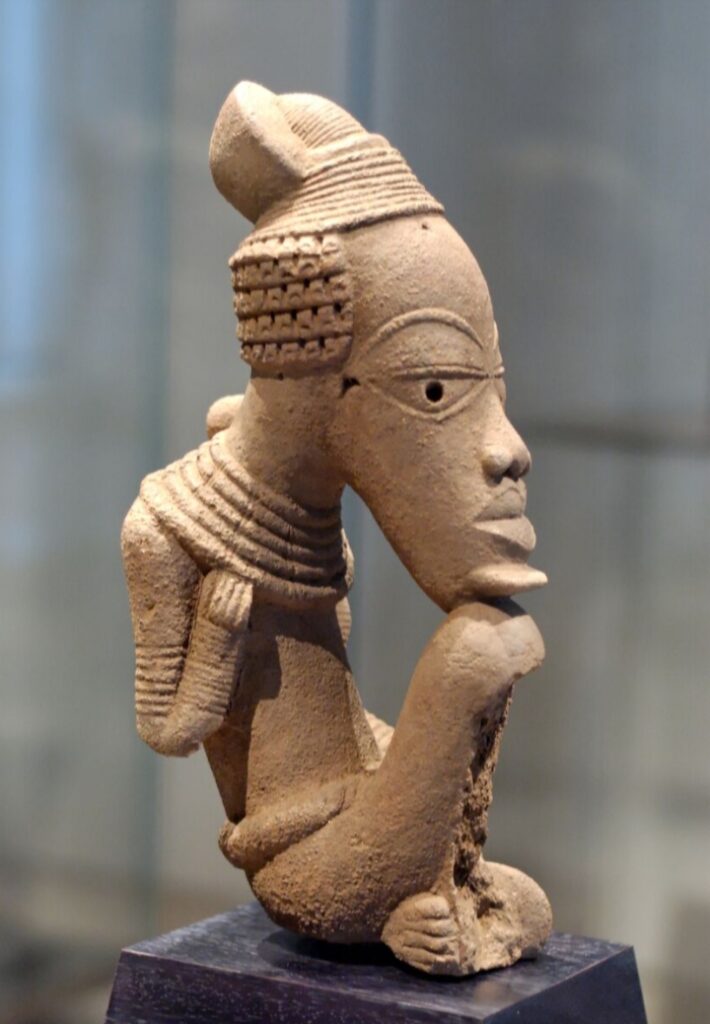
The Nok culture is especially famous for its terracotta sculptures, regarded as some of the earliest examples of figurative art in Africa.
These clay figures often portray men, women, spiritual figures, and animals with intricate hairstyles, expressive faces, and detailed ornaments. Their craftsmanship reflects a highly creative society with strong cultural and religious traditions.
The uniqueness of Nok terracotta art has earned international recognition, with many pieces displayed in museums and exhibitions across the globe. These artifacts serve as important symbols of Nigeria’s ancient artistic heritage.
Early Iron Technology
Another major achievement of the Nok civilization was its knowledge of iron production. Archaeological findings reveal evidence of furnaces and iron tools, showing that the Nok people had mastered iron-working techniques centuries ago.
The use of iron improved farming, hunting, and trade activities, helping the civilization grow economically and socially. This discovery also highlights Africa’s long-standing history of technological advancement and innovation.
Unlocking Tourism Opportunities
The Nok culture has enormous potential to boost Nigeria’s tourism industry. Just as ancient civilizations in Egypt, Greece, and Rome attract global visitors, the Nok civilization could become a major center for cultural and historical tourism in Africa.
Tourism opportunities linked to the Nok heritage may include:
- Archaeological tourism and excavation tours
- Heritage museums and cultural centers
- Art and craft exhibitions
- Historical festivals celebrating Nok traditions
- Educational and research tourism
- Guided cultural tours
With proper development, these attractions could generate revenue, create employment, and increase global interest in Nigeria’s rich history.
Preserving Nigeria’s Ancient Heritage
Several institutions continue to protect and showcase Nok artifacts, including the National Museum, Jos, which houses important collections from the civilization.
However, preserving the Nok heritage remains a challenge. Many artifacts have been illegally smuggled out of the country, while some archaeological sites remain poorly protected. Greater investment in preservation, security, and research is necessary to safeguard this cultural legacy.
Challenges Limiting Growth
Despite its significance, the Nok culture has not received the level of attention it deserves. Some of the major obstacles include:
Poor Infrastructure
Many historical sites lack quality roads, accommodation, and tourism facilities.
Low Public Awareness
Knowledge about the Nok civilization remains limited both within Nigeria and internationally.
Illegal Artifact Trade
Smuggling and unauthorized excavation continue to threaten archaeological discoveries.
Inadequate Funding
Research and tourism development efforts often face financial limitations.
Addressing these problems could transform the Nok civilization into one of Africa’s leading cultural tourism attractions.
The Importance of the Nok Culture Today
The Nok civilization is a reminder of Africa’s rich historical achievements and creative excellence. It challenges misconceptions about ancient African societies and demonstrates that advanced innovation and artistic expression existed in the region thousands of years ago.
Promoting the Nok culture can strengthen national identity, encourage historical education, and position Nigeria as a top destination for cultural tourism.
The Nok culture stands as one of Nigeria’s most valuable historical and cultural assets. From its impressive terracotta sculptures to its early iron-working technology, the civilization reflects a legacy of intelligence, creativity, and progress.
If properly preserved and promoted, the Nok culture could become a major tourism attraction that contributes to economic growth, cultural pride, and international recognition for Nigeria. Exploring this ancient civilization is not only a journey into the past but also an opportunity to shape the future of Nigerian tourism.

