
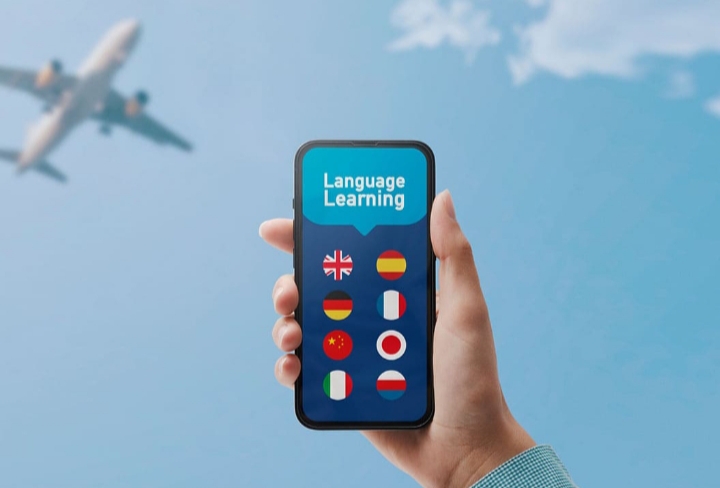
Traveling to a different country offers exciting opportunities to experience new cultures, cuisines, and traditions. One of the best ways to make your trip more enriching is by learning the local language. Even a basic understanding can turn a simple travel experience into a more engaging and memorable experience.
Why Learn a Language Before Traveling?
Having some knowledge of the local language makes it easier to interact with people and find your way in unfamiliar places. Simple expressions like greetings, asking for directions, and polite phrases can greatly improve your interactions.
People often appreciate when visitors try to speak their language, and this effort can lead to more genuine connections and unique experiences that you might otherwise miss.
Benefits of Learning a New Language for Travel
1. Better Communication
Knowing key phrases helps you handle everyday situations such as ordering meals, asking for help, or understanding directions.
2. Greater Cultural Insight
Language reflects culture. By learning it, you gain a deeper understanding of local customs and perspectives.
3. Boosted Confidence
Being able to communicate, even in a limited way, can make you feel more comfortable and self-assured while traveling.
4. Improved Safety
Understanding important signs and instructions can help you stay safe and respond effectively in unfamiliar situations.
5. Richer Experiences
Speaking the local language allows for more meaningful interactions, making your journey more personal and memorable.
Tips for Learning Before Your Trip
Focus on essential vocabulary and commonly used phrases rather than trying to achieve fluency. Learn greetings, numbers, and basic questions.
Make use of language-learning apps, videos, and audio resources to practice pronunciation and comprehension. Consistency, even in small amounts, is key.
Also, learn polite expressions like “please,” “thank you,” and “sorry,” as they show respect for the local culture.
Continuing to Learn While Traveling
Travel itself is a great opportunity to practice. Try speaking with locals, reading signs and menus, and listening to conversations around you.
Don’t worry about making mistakes—most people will appreciate your effort and may even help you improve.
Overcoming Difficulties
Learning a language in a short time can be challenging, but the goal is effective communication, not perfection. Use gestures, body language, and translation tools when needed.
Confidence and willingness to try are more important than flawless speech.
Taking the time to learn a new language before traveling can greatly enhance your experience. It helps you connect with others, understand different cultures, and navigate new environments more easily. Even a small effort can make your journey more enjoyable and rewarding.

