
Asia is a continent of incredible diversity, with countless cultures, languages, and traditions. For travelers, understanding local customs is essential not only to avoid awkward situations but also to show respect and enhance your experience. Here’s a practical guide to cultural etiquette across Asia.
1. Mind Local Greetings
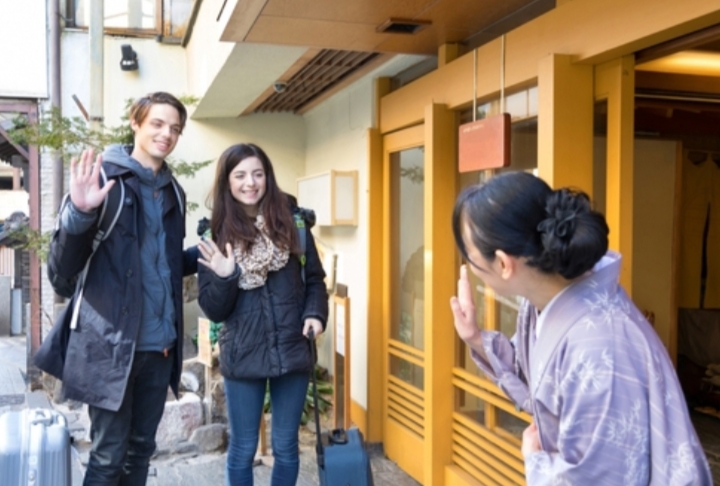
Greetings vary across countries: Thailand – Use the wai, a slight bow with palms together, instead of initiating a handshake. Japan – Bowing is the norm, with deeper bows showing greater respect. Handshakes are mainly for business. India – A simple Namaste with palms pressed together is the standard polite greeting.
2. Dress Appropriately
Many Asian countries emphasize modesty, especially in religious settings: Cover shoulders and knees when visiting temples, mosques, or monasteries. Remove shoes before entering homes or sacred spaces in Japan, Thailand, and India.
3. Follow Dining Customs
Eating etiquette differs widely: China & Vietnam – Don’t stick chopsticks upright in a bowl; it symbolizes funerals. Korea & Japan – Wait for the eldest or host to start eating before you begin. India & some Middle Eastern countries – Use your right hand for eating, as the left is considered unclean.
4. Show Respect to Elders and Authority
Many Asian cultures prioritize hierarchy and respect: Stand when an elder enters a room. Use proper honorifics like -san in Japan or -ah in Thailand. Avoid confrontational behavior or public criticism to preserve dignity and harmony.
5. Be Careful with Gestures and Personal Space
Certain gestures can be offensive: Feet – Don’t point or rest your feet on furniture in Thailand, Indonesia, or India. Hands – Pointing with a finger may be rude; use your whole hand. Touching – Avoid unnecessary physical contact in conservative countries like Malaysia.
6. Understand Tipping Norms
Tipping practices differ: Japan & South Korea – Tipping is usually unnecessary. China & Thailand – Small tips are appreciated in tourist areas. India – Tipping is expected in restaurants and for guides, but hand money discreetly.
7. Respect Photography Rules
Always ask before photographing people, particularly monks, elders, or rural communities, and avoid taking pictures in restricted or sacred spaces.
8. Honor Religious Practices
Buddhism – Never touch monks and avoid climbing on statues. Hinduism – Don’t touch sacred objects with your feet, and limit public displays of affection near temples. Islam – Wear modest clothing, and follow mosque etiquette if visiting.
9. Learn Key Local Phrases
Simple phrases like hello, thank you, or excuse me go a long way: “Thank you” = Arigato (Japanese), Xie Xie (Mandarin), Khob Khun (Thai).
10. Stay Patient and Flexible
Asian cities can be bustling and chaotic. Staying calm, observing locals, and adapting to customs helps create positive experiences and fosters goodwill.
Traveling in Asia is about immersing yourself in local culture as much as seeing landmarks. Following etiquette in greetings, clothing, dining, and general behavior not only shows respect but also makes your journey more rewarding. When unsure, watch the locals, ask politely, and embrace the cultural learning experience.

