
Brazil’s Carnival stands as one of the most captivating festivals in the world, renowned for its vibrant display of color, music, and energy. Each year, cities across the country come alive as this grand celebration blends tradition, creativity, and cultural pride into a spectacular event. Far beyond a simple festivity, Carnival represents the spirit and identity of Brazil in its most expressive form.
Central to the celebration is samba, the lively rhythm that fuels the entire festival. With roots in Afro Brazilian heritage, samba serves as both music and storytelling, expressed through dance and performance. In preparation for Carnival, samba schools community groups dedicated to the art work tirelessly to create breathtaking presentations. Their parades combine synchronized dancing, powerful percussion, and themes that often explore history, culture, or social messages.
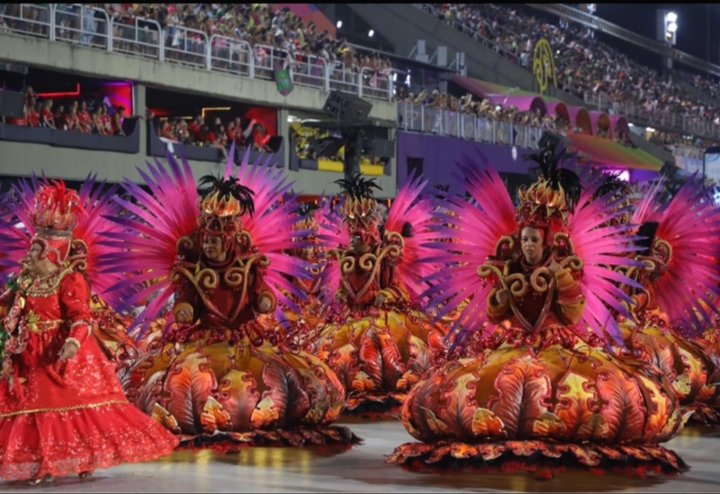
Rio de Janeiro hosts the most famous Carnival celebrations, where the Sambadrome becomes a stage for extraordinary performances. Thousands of participants fill the avenue in dazzling costumes decorated with feathers, sequins, and bold colors. Enormous floats, designed with artistic precision, move through the parade, each presenting a unique narrative. The excitement is contagious as audiences watch samba schools compete in a display of talent and imagination.
However, Carnival extends well beyond formal parades. Street celebrations, known as blocos, take over neighborhoods and cities throughout Brazil. In places like Salvador and Recife, massive crowds gather to dance and celebrate to various musical styles, including samba, axé, and frevo. These street parties create an atmosphere of unity, bringing together people from diverse backgrounds to share in the joy.
The origins of Carnival are deeply rooted in history. It began with European pre Lenten customs, later enriched by African and Indigenous cultural influences. Over time, it developed into a uniquely Brazilian tradition that reflects the country’s cultural diversity. Today, it remains both a festive occasion and a powerful cultural symbol.
Visually, Carnival is nothing short of breathtaking. Costumes, floats, and performances are designed to dazzle, featuring bright hues, shimmering details, and bold artistic concepts. The celebration embraces extravagance, encouraging limitless creativity and imagination.
Beyond its visual and musical appeal, Carnival holds deeper meaning. It provides an opportunity for people to momentarily escape everyday challenges and celebrate freedom and self expression. It also plays a significant role in Brazil’s economy, supporting tourism and providing livelihoods for many artists and performers.
Ultimately, Brazil’s Carnival is more than just a festival of color it is a vivid expression of life, culture, and unity. Through music, dance, and artistic display, it captures the essence of Brazil, offering an unforgettable experience filled with energy, passion, and creativity.

