
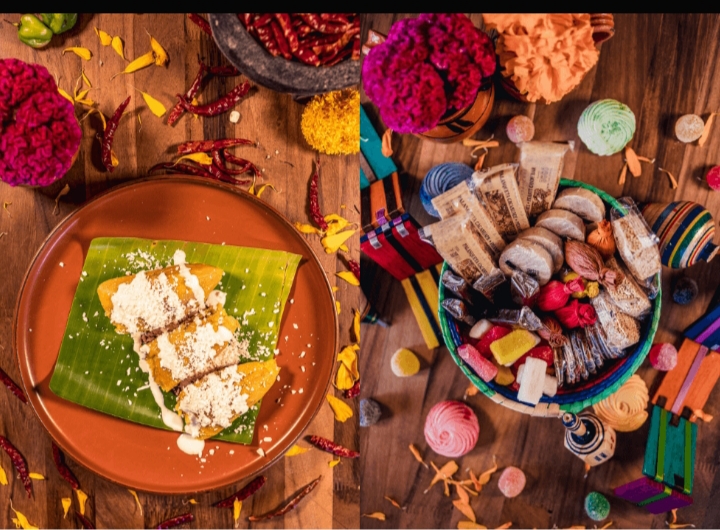
In Mexico, cuisine is more than just food it is an essential part of culture, family life, and tradition. While international fame often highlights dishes like tacos, enchiladas, or mole, the true essence of Mexican food is found in home kitchens, where generations come together around fresh ingredients and time honored recipes.
Food as a Cultural Cornerstone
Meals in Mexico are social and celebratory. Eating is an opportunity to connect with family and honor tradition. Breakfast, or desayuno, typically includes eggs, beans, and tortillas. Lunch, comida, is often the largest and most elaborate meal of the day, featuring multiple courses, while dinner, cena, tends to be lighter but still freshly prepared. Every dish reflects both flavor and cultural significance.
Traditions of Home Cooking
Mexican home cooks, known for cocina casera, prioritize fresh, local ingredients. Staples like corn, beans, squash, chiles, tomatoes, and herbs such as cilantro and epazote form the backbone of most dishes. Many households grow vegetables in backyard gardens or purchase them from local markets daily.
Cooking techniques passed down through generations are also essential:
1.Nixtamalization enhances the flavor and nutrition of corn for tortillas and tamales.
2.Slow simmered stews such as pozole or mole allow complex flavors to develop.
3.Grilling and roasting bring out smokiness in meats and chiles.
Each family often adds its own touch to these traditional methods, blending indigenous and Spanish influences into unique home cooked meals.
Regional Diversity
Mexico’s geography creates a rich variety of regional flavors. In the Yucatán Peninsula, dishes are brightened with citrus and achiote. Oaxaca is renowned for its multiple types of mole and handmade cheeses. Coastal regions feature seafood often combined with tropical fruits, while central highlands rely on hearty beans, corn, and meats. Even within cities, local traditions shape the taste and preparation of dishes, making every meal distinctive.
Beyond Cooking: Food as a Lifestyle
Food culture in Mexico extends beyond the kitchen. Local markets, street vendors, and festivals provide vibrant spaces to experience culinary traditions. Farmers’ markets (mercados) are not just for shopping they are social hubs where cooks exchange recipes and advice. Street food showcases regional specialties and preserves culinary practices, especially in urban areas.
Cooking is a family affair, too. Grandparents, parents, and children often prepare meals together, passing down knowledge and maintaining a shared cultural identity through food.
Modern Home Kitchens
While traditional cooking methods remain strong, modern kitchens often include tools like blenders, pressure cookers, and ovens. Urban lifestyles have introduced faster cooking methods, yet the heart of Mexican home cooking fresh ingredients, ancestral recipes, and communal meals remains unchanged.
Mexican culinary life thrives in home kitchens, where tradition, regional diversity, and family values converge. Each handmade tortilla, slow cooked mole, and shared meal tells a story of culture and heritage. Beyond the famous dishes and restaurants, it is the everyday practices in Mexican homes that sustain the country’s rich and enduring food culture.

