
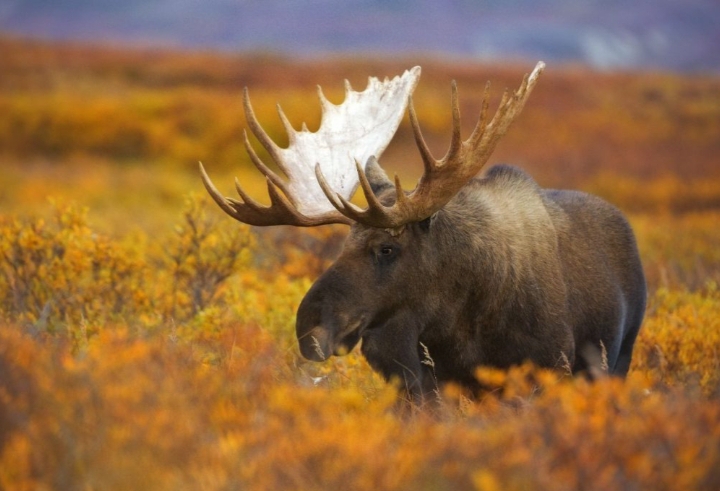
Located in the western United States, Yellowstone National Park is widely recognized as one of the most remarkable natural reserves in the world. Created in 1872, it holds the distinction of being the world’s first national park. While the park is famous for its geothermal wonders, it is equally celebrated for its rich and diverse wildlife. Covering more than two million acres across Wyoming, Montana, and Idaho, Yellowstone provides vast habitats of forests, rivers, grasslands, and mountains that support numerous animal species.
A Rich Natural Ecosystem
Yellowstone forms the central part of the Greater Yellowstone Ecosystem, one of the largest nearly undisturbed temperate ecosystems in the world. Its diverse landscapes allow different species to survive and interact within a balanced natural system. The park’s rivers, mountain ranges, and meadows create ideal conditions for wildlife to flourish.
Among the park’s most famous natural attractions is Old Faithful, a geyser that regularly erupts and draws visitors from around the globe. Beyond these geothermal features lies a vast wilderness where animals roam freely in their natural environment.
Notable Mammals in Yellowstone
Yellowstone hosts some of the most well-known mammals in North America. One of the most iconic is the American bison, the continent’s largest land mammal. Large herds graze across the plains, representing a successful conservation story after the species nearly disappeared in the past.
Another important species is the Gray wolf. Wolves were reintroduced to the park in 1995 after being absent for many years. Their return helped restore ecological balance by regulating prey populations and influencing vegetation patterns.
The park is also home to impressive predators and herbivores such as the Grizzly bear, the elusive Cougar, and large herds of Elk. These animals contribute to the park’s dynamic and interconnected ecosystem.
Bird Species and Aquatic Life
In addition to mammals, Yellowstone supports a wide variety of birdlife, with over 300 species recorded in the park. Birds such as bald eagles and trumpeter swans are commonly seen near lakes and rivers. Aquatic ecosystems also sustain species like the Yellowstone cutthroat trout, an important fish that serves as a food source for many predators.
Conservation Efforts
The protection of wildlife in Yellowstone is largely managed by the National Park Service. Through careful planning and strict conservation policies, the park’s natural habitats and animal populations are safeguarded.
Programs like the wolf reintroduction project highlight the importance of science based conservation efforts in maintaining ecological stability. Yellowstone now serves as an international example of successful wildlife management.
Although Yellowstone remains protected, it still faces several challenges, including climate change, increasing tourism, and potential invasive species. Park authorities and scientists continue to study and monitor these issues to ensure the park’s long term health.
Yellowstone National Park is far more than a tourist destination; it is a thriving natural environment where wildlife continues to flourish. Its diverse landscapes and abundant animal life make it one of the most valuable conservation areas in the world. Preserving Yellowstone ensures that future generations will continue to witness the beauty and richness of this extraordinary wildlife sanctuary.

