
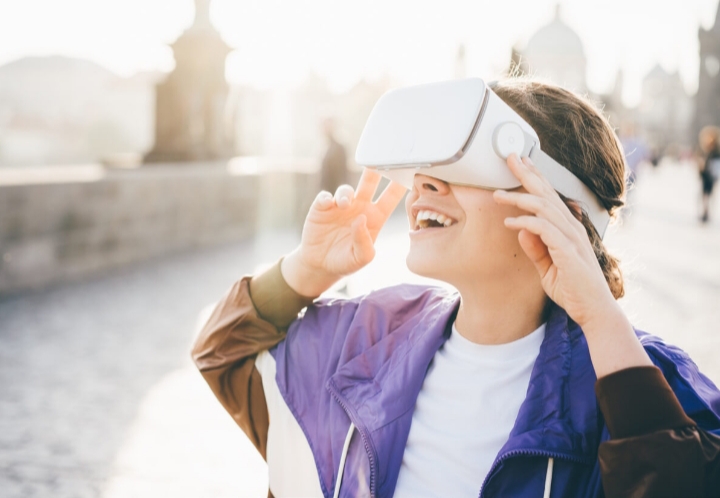
As technology continues to evolve, the concept of travel is being redefined in exciting ways. Virtual travel experiences have become a modern alternative to traditional tourism, enabling people to explore destinations and cultures without physically leaving their homes. This growing trend highlights how digital innovation is transforming global exploration.
Virtual travel is driven by immersive technologies such as virtual reality (VR), augmented reality (AR), and 360-degree media. These tools allow users to experience places in a highly engaging and interactive manner. Platforms like Google Earth and YouTube provide access to virtual tours of cities, landmarks, and natural environments. With the help of VR devices, individuals can feel as though they are physically present in distant locations.
One of the greatest benefits of virtual travel is its inclusivity. Many people face limitations that prevent them from traveling, such as financial constraints, time restrictions, or health challenges. Virtual experiences remove these barriers, making it possible for a wider audience to explore the world. For instance, users can take a digital walk through the Louvre Museum in Paris or view the historic Great Wall of China from anywhere.
Affordability is another major advantage. Unlike traditional travel, which often requires spending on flights, lodging, and other expenses, virtual travel is relatively low-cost or even free. It also serves as a practical option during periods when travel is restricted or unsafe.
In addition to entertainment, virtual travel plays an important role in education. Schools and institutions are increasingly using virtual tours to give students a more interactive learning experience. By exploring real-world locations digitally, learners can better understand history, geography, and culture in a more engaging way.
However, virtual travel does have its limitations. It cannot fully replicate the real-life experience of being in a new place, including personal interactions and sensory details. Still, it serves as a valuable complement to physical travel, allowing users to preview destinations or revisit memorable locations.
Looking to the future, virtual travel is expected to become even more advanced. Improvements in technology, including artificial intelligence and enhanced sensory features, will likely make these experiences more realistic and immersive.
In summary, virtual travel experiences are opening new possibilities for exploration. While they may not replace traditional travel, they provide a convenient, accessible, and innovative way for people to connect with the world around them.

