
Egypt is home to one of the most ancient and influential civilizations in human history. Spanning thousands of years, its past is filled with remarkable achievements in architecture, governance, science, and culture. Discovering Egypt’s history offers a captivating look into the development of early civilization.
The Beginnings of Ancient Egypt
The story of ancient Egypt dates back to around 3100 BCE, when Upper and Lower Egypt were united under King Narmer. This unification marked the emergence of a powerful civilization centered along the Nile River, which provided essential resources for agriculture and daily life.
These early foundations led to the growth of a structured society with organized leadership, cultural traditions, and social systems.
The Era of the Pharaohs
One of the most notable periods in Egyptian history is the rule of the pharaohs, who were seen as both political leaders and divine figures. Among them, Tutankhamun is especially famous due to the discovery of his nearly untouched tomb, which revealed extraordinary artifacts.
Another prominent ruler, Ramesses II, is remembered for his military successes and impressive construction projects across the kingdom.
Remarkable Structures and Monuments
Egypt is renowned for its extraordinary architectural achievements. The Great Pyramid of Giza stands as one of the most iconic structures from the ancient world, showcasing advanced engineering skills.
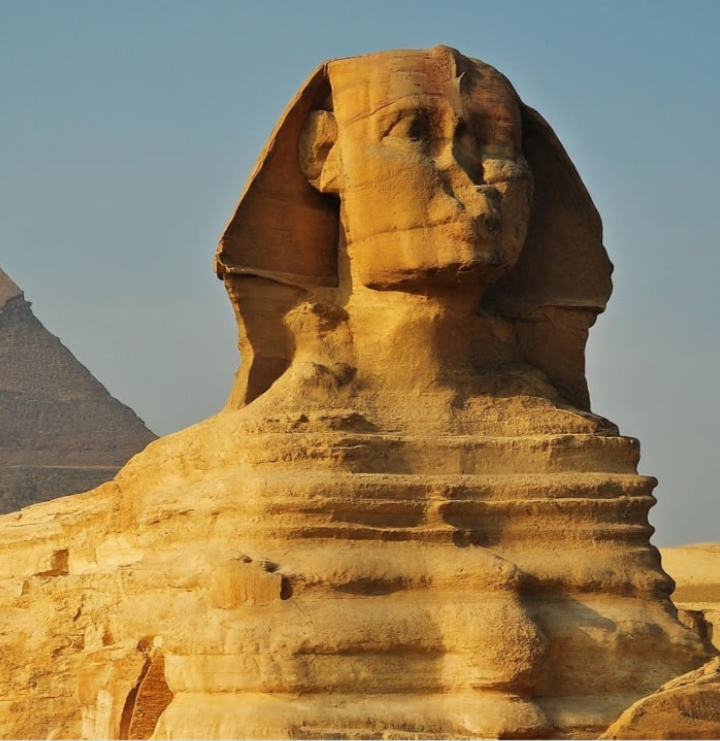
Close by is the Sphinx, a mysterious monument that continues to intrigue visitors and historians alike.
Other significant sites, such as Karnak Temple and Abu Simbel, highlight the importance of religion and artistry in Egyptian life.
Religious Beliefs and Practices
Religion was deeply embedded in Egyptian culture. The people worshipped many deities, including Ra, associated with the sun, and Osiris, linked to the afterlife.
A strong belief in life after death shaped their burial customs, leading to practices like mummification and the creation of elaborate tombs filled with items for use beyond this life.
Contributions to Knowledge
Ancient Egyptians made lasting contributions to fields such as medicine, mathematics, and astronomy. They created a calendar based on the Nile’s cycles and developed medical techniques that influenced future generations.
Their writing system, hieroglyphics, allowed them to document important events, beliefs, and daily activities on temple walls and papyrus.
Greek and Roman Influence
Egypt’s independence declined after it was conquered by Alexander the Great in 332 BCE. This began a period of Greek influence, which was later followed by Roman rule.
During this time, Cleopatra emerged as a significant figure, known for her leadership and political alliances. Her reign marked the end of native Egyptian rule before the Romans took control.
Egypt Through Different Eras
Following the ancient period, Egypt continued to change under various rulers, including Islamic dynasties, the Ottoman Empire, and British control. Each phase contributed to shaping the nation’s identity and culture.
Today, cities such as Cairo and Luxor provide access to this rich historical heritage.
The history of Egypt is a remarkable story of innovation, leadership, and cultural richness. From the reign of powerful pharaohs to periods of foreign influence, Egypt’s past continues to inspire and educate.
Understanding this history not only reveals the achievements of an ancient civilization but also highlights its lasting impact on the modern world.

