
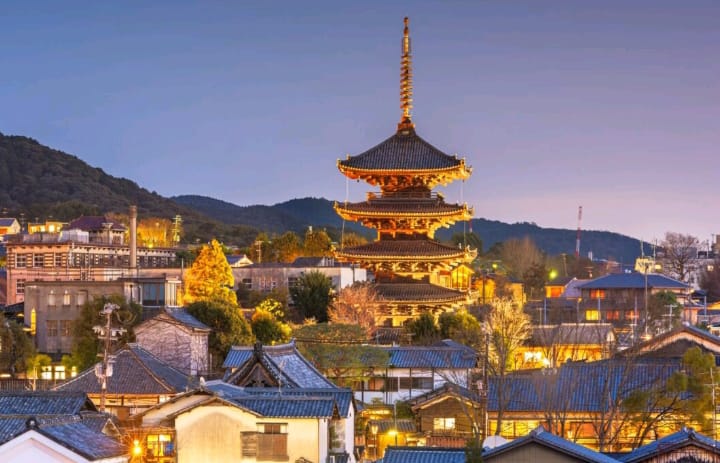
Kyoto, once the capital of Japan for over a millennium, holds a deep cultural and spiritual legacy. With its peaceful streets, lush gardens, and serene atmosphere, the city is most famous for its temples each one telling a unique story of devotion, history, and architectural wonder. Visiting Kyoto’s temples is more than just a trip through the city; it’s a journey through time, one that connects the past, present, and future of Japanese culture.
Kyoto’s Sacred History
Kyoto is home to over 1,600 temples, each integral to the city’s identity. As Japan’s capital from 794 to 1868, Kyoto became the political, cultural, and spiritual heart of the nation. During this time, Buddhism flourished, and the city became a center for religious practice, attracting monks, scholars, and devotees. The variety of temples in Kyoto reflects different schools of Japanese Buddhism, such as Zen, Pure Land, and Shingon, offering a rich tapestry of architecture and philosophy. These temples range from elaborate complexes to simple, minimalist structures, representing the diversity of Buddhist thought in Japan.
Notable Temples: Highlights of Kyoto’s Spiritual Landscape
Kinkaku-ji (Golden Pavilion)
One of Kyoto’s most iconic landmarks, Kinkaku-ji is a Zen Buddhist temple celebrated for its stunning beauty. Originally built as the retirement villa of the shogun Ashikaga Yoshimitsu in the late 14th century, the temple’s top two floors are coated in gold leaf, making it a dazzling sight. Set against lush greenery and reflected in a calm pond, Kinkaku-ji embodies the elegance and calmness that define Japanese aesthetics, while also symbolizing the fleeting nature of life a key tenet of Zen Buddhism.
Fushimi Inari Taisha
Dedicated to the Shinto deity Inari, Fushimi Inari Taisha is famous for its thousands of red torii gates that stretch up Mount Inari. This shrine is not only a visual marvel but also a pilgrimage site for those seeking prosperity, success, and good fortune. As visitors walk through the gates, they move through a sacred landscape of small shrines, connecting deeply with nature and the divine.
Kiyomizu-dera
Kiyomizu-dera, with its expansive wooden platform overlooking the city, is one of Kyoto’s most remarkable structures. Built in 778 and dedicated to the Buddhist goddess Kannon, it is known for its sweeping views of the city, especially during the changing seasons. The temple’s name, meaning “Pure Water Temple,” comes from the Otawa Waterfall on the grounds, where visitors traditionally drink from the waterfall to receive blessings for health and success.
Ginkaku-ji (Silver Pavilion)
Often regarded as the quieter counterpart to Kinkaku-ji, Ginkaku-ji represents the simplicity of Zen Buddhism. Though it was never covered in silver as initially planned, it still exudes tranquility through its minimalist design. The temple’s gardens—especially the moss and sand gardens—reflect the Zen philosophy of appreciating imperfection and the transitory nature of life, encapsulated in the concept of “wabi-sabi.”
Ryoan-ji
Famous for its Zen garden, Ryoan-ji offers visitors a chance to experience one of the world’s most renowned stone gardens. Created in the 15th century, the garden features 15 stones arranged in a manner where only 14 are visible at any given time, symbolizing the limitations of human perception and the pursuit of enlightenment. The simplicity of the garden echoes the Zen emphasis on minimalism and directness in spiritual practice.
Temples as Guardians of History and Art
Beyond their religious function, Kyoto’s temples are also cultural treasures, safeguarding invaluable works of art, ancient manuscripts, sculptures, and more. Many of the temples house significant pieces of Japanese history, from calligraphy and painting to sculptures created by legendary artists. A visit to these temples is a rare opportunity to witness the intertwining of art, religion, and history, with each temple offering its own view into the cultural soul of Japan.
The surrounding gardens are integral to the temple experience, offering a space for meditation and reflection. These landscapes are designed to evoke a sense of peace, often using stones, water, and plants to represent the cycles of life. Through these meticulously crafted gardens, visitors gain insight into the Buddhist understanding of impermanence and the beauty of nature.
A Spiritual Journey Beyond the Temples
While Kyoto’s temples are the city’s centerpiece, they are just one part of a larger spiritual landscape that includes shrines, cemeteries, and forests, all blending nature and spirituality. Kyoto offers visitors a unique opportunity to step into a different time one that allows for reflection and connection with the natural world.
In spring, the temples are framed by delicate cherry blossoms, reminding us of life’s transient beauty. In autumn, the fiery hues of maple trees add to the dramatic contrast of the ancient temple architecture, a visual metaphor for the impermanence of all things. Throughout the seasons, Kyoto’s temples continue to be a place for quiet contemplation and deep spiritual connection.
A Timeless Journey to the Heart of Japan
A visit to Kyoto’s temples is a journey through both history and spirituality, offering a rare glimpse into Japan’s cultural heritage. These sacred sites are not just monuments of the past; they are living reflections of Japan’s philosophical, artistic, and spiritual traditions. From the grandeur of Kinkaku-ji to the tranquil simplicity of Ryoan-ji, each temple invites visitors to pause, reflect, and reconnect with the eternal themes of life, nature, and the divine.
The temples of Kyoto are much more than architectural wonders they are timeless guardians of the country’s deep spiritual heritage, continuing to inspire and offer peace to all who step through their doors.

