
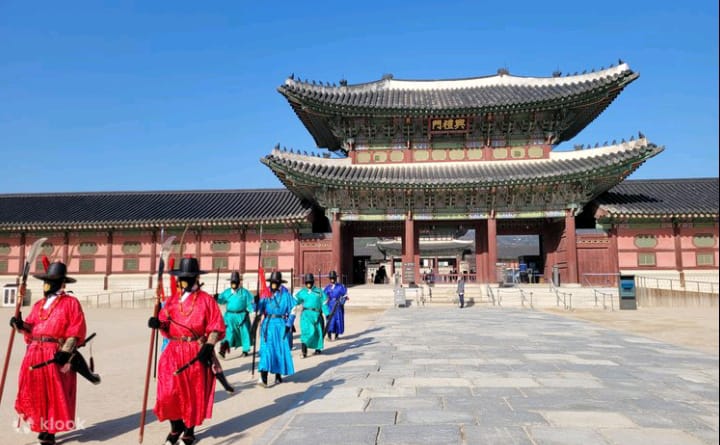
Downtown Seoul offers a fascinating journey through time, where royal palaces, traditional neighborhoods, and modern developments coexist within walking distance. A historical tour through this vibrant district reveals how Korea’s capital transformed from the seat of the Joseon dynasty into the dynamic global city it is today. Here’s a refreshed look at some of the most enriching historical experiences in central Seoul.
Royal Landmarks of the Joseon Dynasty
A visit to Gyeongbokgung Palace is essential for anyone exploring Seoul’s royal heritage. Established in 1395, it served as the primary palace of the Joseon dynasty. Visitors can admire the impressive Gwanghwamun Gate, the stately throne hall, and the picturesque Gyeonghoeru Pavilion set above a tranquil pond.
Nearby, Changdeokgung Palace stands out for its natural harmony and elegant design. Recognized as a UNESCO World Heritage site, it is especially celebrated for its Secret Garden, once reserved exclusively for the royal family.
Many organized tours enhance the experience with hanbok rentals, allowing guests to explore the palaces dressed in traditional Korean clothing.
Bukchon Hanok Village: Tradition Preserved
Just a short stroll from the palaces, Bukchon Hanok Village showcases rows of well preserved hanok homes. Historically inhabited by noble families, this neighborhood now blends residential charm with cultural spaces such as tea houses, workshops, and galleries.
Guided walks here often highlight architectural features like the ondol heating system and explain the Confucian values that shaped daily life during the Joseon period. The village’s narrow lanes also offer scenic views contrasting old tiled rooftops with the city’s contemporary skyline.
Insadong and the Independence Movement
The Insadong area is known for its artistic and historical significance. Antique stores, traditional craft shops, and galleries line its streets, reflecting Seoul’s cultural legacy.
Not far away lies Tapgol Park, a key site in Korea’s struggle for independence. It was here that the March 1st Movement began in 1919 during Japanese rule. Many historical tours recount the events that unfolded and their lasting impact on Korean identity.
Deoksugung and Korea’s Modern Transition
In western downtown Seoul, Deoksugung Palace represents a transitional era in Korean history. Unlike other palaces, it features a combination of traditional Korean and Western architectural styles, reflecting the period of the Korean Empire at the turn of the 20th century.
Walking tours in this area often extend to the nearby stone wall road and surrounding historic buildings, illustrating Seoul’s path toward modernization.
Cheonggyecheon: Reviving the Past
Flowing through central Seoul, Cheonggyecheon is a restored stream with roots dating back to the Joseon dynasty. Once hidden beneath highways during rapid industrial growth, it was revitalized in the early 21st century and now serves as a peaceful urban retreat.
Tour guides frequently discuss how this restoration symbolizes Seoul’s balance between development and preservation.
Choosing Your Tour Style
Visitors can opt for guided tours to gain in depth historical insights or explore independently using maps and audio guides. Popular themed routes include royal palace circuits, independence movement landmarks, and hidden alley explorations around Jongno and Ikseon-dong.
When to Visit
Spring and autumn are particularly pleasant times to explore downtown Seoul, with comfortable temperatures and scenic palace gardens. Weekday mornings generally offer a quieter experience.
A City Where Past and Present Meet
Downtown Seoul tells a compelling story of endurance and transformation. From grand royal complexes to sites of political awakening and modern renewal projects, each stop contributes to a deeper understanding of Korea’s history. Whether guided or self paced, a historical tour through central Seoul provides an immersive look at centuries of cultural evolution.

