
Hot springs are an integral part of both Japanese and Korean cultures. Known as onsen in Japan and jimjjilbang in Korea, these natural thermal baths are not just places for relaxation but are also deeply woven into social, healing, and cultural traditions. Despite both countries sharing a passion for bathing in hot springs, the customs and experiences surrounding them differ significantly, influenced by each country’s unique history, geography, and values. This article compares Japanese onsen culture with Korean jimjjilbang culture.
Japanese Onsen Culture
Origins and Philosophy
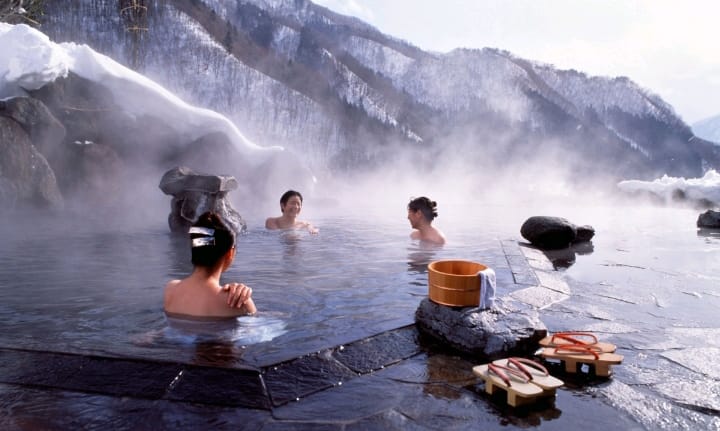
Japan’s relationship with hot springs spans centuries, with the country’s geothermal landscape providing an abundance of natural hot springs. Onsen culture has been deeply embedded in Japanese society, influenced by the belief that soaking in mineral rich waters offers health benefits such as stress relief, skin improvement, and overall relaxation. Onsens are typically located in serene, natural settings like mountains or coastal areas, promoting a sense of peace and reflection.
Onsen experiences often go hand in hand with staying at ryokan (traditional inns), where visitors can enjoy not only the hot springs but also other cultural experiences like wearing yukata (light kimono) and enjoying multi-course meals known as kaiseki.
Bathing Etiquette
Bathing in an onsen follows a strict and thoughtful etiquette. Before entering the communal baths, bathers must clean themselves thoroughly at designated shower stations, using small stools and handheld showerheads. Only after being completely clean can one enter the baths, which are often gender segregated, though some onsens allow mixed gender bathing.
The overall experience is focused on relaxation and tranquility, with a quiet atmosphere that encourages mental and physical renewal. Many visitors take their time to soak in the warm waters, appreciating the calming natural surroundings.
Types of Onsen
Onsens are famous for their variety of mineral waters, each offering distinct therapeutic benefits. For example:
- Sulfur baths are believed to help with skin conditions.
- Carbonate baths are used for improving circulation.
- Salt baths are helpful for muscle and joint pain.
Outdoor baths, known as rotenburo, allow bathers to enjoy the surrounding landscape while soaking in the natural mineral-rich water.
Korean Jimjjilbang Culture
Origins and Philosophy
While Korea also has a long history of bathing practices, the modern jimjjilbang a 24 hour sauna and bathhouse complex—became popular only in the 20th century. Unlike Japan, which boasts an abundance of natural hot springs, Korean bathhouses focus more on communal bathing and wellness facilities like saunas and massage rooms rather than on geothermal waters.
Jimjjilbangs are central to Korean social life, offering a space not just for bathing, but for relaxation and rejuvenation. These facilities often feature multiple saunas, resting areas, and eateries, making them an all inclusive wellness experience. Families and individuals alike frequent jimjjilbangs to unwind and take advantage of the healing saunas and communal atmosphere.
Bathing Etiquette
Like onsen bathing, visitors to a jimjjilbang must first clean themselves thoroughly at shower stations before entering the hot baths. Bathing areas are typically gender segregated, though the saunas may be co-ed. The difference, however, lies in the broader range of facilities available, such as various types of saunas and therapeutic rooms, including salt, jade, and charcoal saunas, which offer specific health benefits.
Unlike the solitary, meditative atmosphere of an onsen, jimjjilbangs are bustling, social spaces where families or friends often spend hours together moving between baths, saunas, and relaxation areas. Many jimjjilbangs even provide spaces for children to play, making them more family friendly than traditional onsens.
Social and Community Aspect
A key element of jimjjilbangs is the strong sense of community. Visitors often spend several hours at these bathhouses, socializing with friends or family, enjoying food, and even napping in designated rest areas. This makes jimjjilbangs not just a place for relaxation but also for bonding and spending quality time together, something that is less common in the more individual focused onsen experience.
Similarities Between Onsen and Jimjjilbang
Both onsen and jimjjilbang cultures are centered around relaxation, cleanliness, and wellness. Bathing in both places is seen as a way to rejuvenate the body and mind, providing numerous health benefits such as improved circulation, detoxification, and stress relief. The idea of communal bathing is also central to both, although it manifests in different ways: onsens tend to be more tranquil and solitary, while jimjjilbangs are more social and active.
Additionally, both offer unique, therapeutic experiences through their variety of water temperatures, sauna rooms, and other wellness facilities designed to enhance the health and well being of bathers.
Key Differences
1.Focus: Onsen bathing in Japan is primarily about enjoying the natural hot spring waters, with an emphasis on peace, reflection, and the healing properties of the water. In contrast, jimjjilbangs in Korea are more about wellness, offering diverse facilities such as saunas, massage rooms, and even sleep areas in addition to hot baths.
2.Setting: Onsens are often found in picturesque natural locations like mountains and coastal regions, enhancing the calming and reflective atmosphere. On the other hand, jimjjilbangs are commonly located in urban areas, offering a convenient, all in one wellness experience for the busy, modern lifestyle.
3.Bathing Experience: While both cultures value cleanliness before entering the baths, onsens are generally quieter, more serene, and solitary, emphasizing individual relaxation. Jimjjilbangs, on the other hand, foster a lively social atmosphere, where families and groups can interact, enjoy meals, and relax together in a communal setting.
4.Cultural Role: Onsen culture in Japan carries a spiritual element, with an emphasis on connecting with nature and achieving mental clarity through bath rituals. Jimjjilbangs in Korea, however, focus more on the social and physical aspects of wellness, providing a space for families to bond and for individuals to experience a variety of health benefits.
Though both Japanese onsen and Korean jimjjilbang cultures revolve around the act of bathing, the experiences they offer are distinct, shaped by the cultural, social, and historical contexts of each country. Onsen culture is rooted in tranquility, nature, and individual reflection, while jimjjilbang culture is more communal, wellness focused, and social. Whether you seek a solitary, peaceful soak in Japan or a lively, group oriented spa experience in Korea, both offer unique opportunities for relaxation and rejuvenation.

