
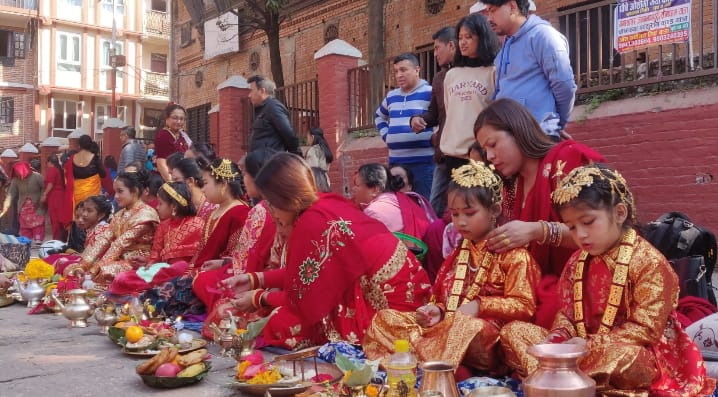
In today’s interconnected world, traveling to another country is easier than ever. Yet simply visiting a destination does not always mean truly understanding it. Cultural immersion goes beyond taking photos at landmarks it involves actively participating in local customs, traditions, and daily life. Whether exploring bustling souks in Marrakech or observing a traditional tea ritual in Kyoto, immersion allows travelers to move from being spectators to becoming participants.
Understanding Cultural Immersion
Cultural immersion is the process of deeply engaging with a community’s way of life. It includes learning about local languages, tasting authentic foods, joining traditional celebrations, and interacting meaningfully with residents. Rather than staying within tourist friendly environments, immersive travelers seek genuine experiences.
For instance, taking part in the vibrant festival of Holi in India provides insight into spiritual beliefs, unity, and cultural expression that cannot be fully understood from books alone.
Appreciating Local Traditions
Traditions reflect the identity, history, and values of a community. They may appear in many forms:
1.Festivals and Holidays: Celebrations such as Dia de los Muertos in Mexico emphasize remembrance, family ties, and cultural pride.
2.Food and Culinary Practices: Enjoying traditional dishes in Bologna offers insight into regional heritage and family centered customs.
3.Music and Dance: Experiencing flamenco performances in Seville showcases centuries old artistic traditions.
4.Religious and Spiritual Life: Observing prayer rituals in Bangkok reveals the influence of faith in everyday routines.
Each of these traditions tells a meaningful story about the people who preserve them.
Advantages of Immersive Travel
Cultural immersion brings numerous benefits:
- Greater Awareness: It challenges assumptions and broadens understanding.
- Personal Development: Facing unfamiliar situations builds confidence and adaptability.
- Stronger Human Connections: Engaging with locals fosters authentic relationships.
- Support for Local Communities: Choosing local services helps sustain cultural heritage.
Students who study abroad in cities like Florence often find that immersive experiences shape both their personal growth and academic perspectives.
Practicing Respectful Immersion
Meaningful cultural engagement requires sensitivity and respect. Travelers should learn simple phrases in the local language, observe social norms, dress appropriately, and seek permission before photographing people or sacred events. Supporting small businesses and artisans also contributes positively to the community.
Above all, travelers should approach new cultures with openness and humility, recognizing that they are guests in someone else’s home.
Embracing Authentic Experiences
While digital tools can help travelers prepare, true immersion happens through direct interaction. Stepping away from phones and embracing spontaneous opportunities such as attending a local gathering or volunteering often leads to the most rewarding experiences.
Cultural immersion turns travel into a meaningful exchange rather than a brief visit. By engaging respectfully with local traditions abroad, individuals gain deeper insight, lasting memories, and a richer understanding of the world. Ultimately, the true value of travel lies not only in seeing new places but in embracing new perspectives.

