
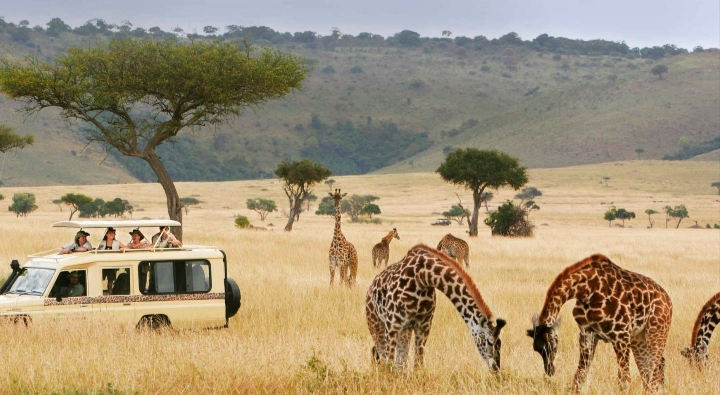
Africa is renowned for its stunning landscapes and extraordinary wildlife. From the grassy plains of East Africa to the deserts of the south, the continent offers some of the most memorable wildlife encounters in the world. Safaris are at the heart of African tourism, providing visitors with a chance to see iconic animals in their natural habitats while supporting crucial conservation initiatives.
Experiencing Wildlife on Safari
A safari is the ultimate way to connect with Africa’s wildlife, including the famed “Big Five”: lions, leopards, elephants, rhinos, and buffalo. Top safari destinations include:
- Serengeti National Park : Known for the annual Great Migration, when millions of wildebeest, zebras, and gazelles cross the plains.
- Masai Mara National Reserve : Offers high wildlife density and unforgettable safari experiences.
- Kruger National Park : A large and diverse park featuring everything from savannahs to forests, with frequent animal sightings.
Safari experiences range from luxury lodges and guided 4×4 tours to walking safaris and hot air balloon rides, providing immersive ways to experience Africa’s wildlife.
How Wildlife Tourism Supports Conservation
Tourism plays a vital role in protecting Africa’s ecosystems. Fees from park entries, guided tours, and eco-lodges help fund anti-poaching efforts, habitat preservation, and community programs. By connecting local economies to wildlife preservation, tourism encourages sustainable management of natural resources.
Key conservation strategies include:
1.Anti-poaching initiatives – Rangers and modern surveillance technologies protect endangered species.
2.Community driven conservation – Local populations benefit economically from tourism, creating incentives to safeguard wildlife.
3.Habitat restoration – Efforts are made to rehabilitate areas affected by deforestation, mining, or climate change.
Responsible Safari Practices
Travelers can help conserve wildlife while enjoying safaris by following sustainable practices:
- Choose eco-certified lodges and safari operators.
- Respect animals’ space and avoid disrupting natural behavior.
- Minimize plastic use and follow park rules.
- Support local communities through craft purchases and cultural experiences.
Beyond the Big Five: Other Wildlife Adventures
Africa is home to countless species beyond the Big Five:
1.Birdwatching : Countries like Uganda and Botswana host rare and colorful birds, such as the shoebill stork.
2.Marine wildlife : Coastal destinations like Mozambique and South Africa offer whale watching, dolphin spotting, and snorkeling with diverse sea life.
3.Primates : Gorilla trekking in Bwindi Impenetrable Forest or Volcanoes National Park offers a rare and unforgettable wildlife encounter.
The Future of African Wildlife Tourism
Africa’s wildlife tourism faces challenges, including climate change, habitat loss, and political instability. Yet the rise of eco tourism and sustainable travel provides hope. By choosing responsible safari experiences, visitors not only enjoy incredible adventures but also contribute directly to the conservation of Africa’s unique wildlife.
A safari in Africa isn’t just a trip it’s a chance to experience nature at its most magnificent and help protect it for generations to come.

